Category
  • Homes
  • > Blog
  • > Blog Details

Facelift Kit Components Explained: Bumper, Grille, Hood & More — A Clear Buyer Guide

A facelift kit usually comes p...
Facelift Kit Components Explained: Bumper, Grille, Hood & More — A Clear Buyer Guide
A facelift kit usually comes packed with redesigned bumpers, a grille, a hood or bonnet, updated headlights and taillights, plus trim and mounting elements that line up with the original body structure. You use these parts to freshen up the exterior without messing with the vehicle’s platform, so crash structures, sensors, and service points stay untouched.
Manufacturers have to juggle new surface designs with the old hard points. Engineers tweak bumper covers, grille shapes, and hood lines to meet airflow, cooling, and pedestrian-safety needs, but still keep everything compatible with the core support and factory fasteners.

Bumper, Grille, Hood

Core Components of a Facelift Kit

A facelift kit changes visible exterior panels, but the vehicle’s bones stay the same. You’ll notice updates in form, lighting, and airflow—all meant to modernize the look while sticking with existing mounting points and safety standards.

Bumper Assembly Features

The bumper assembly is usually the heart of any facelift. You swap out the outer cover, but keep the original crash bar and energy absorbers. This keeps impact performance steady and airbag calibration unchanged.
Manufacturers rework bumper skins to fit new lighting, bigger grilles, or sensors. You’ll often spot tighter transitions and new lower valance shapes to guide airflow and cooling.
There’s always a trade-off between compatibility and design freedom. Facelift bumpers still need to line up with original fenders and hood edges, so designers can’t go too wild. That way, fitment stays predictable and installation doesn’t turn into a headache.

Grille Design and Function

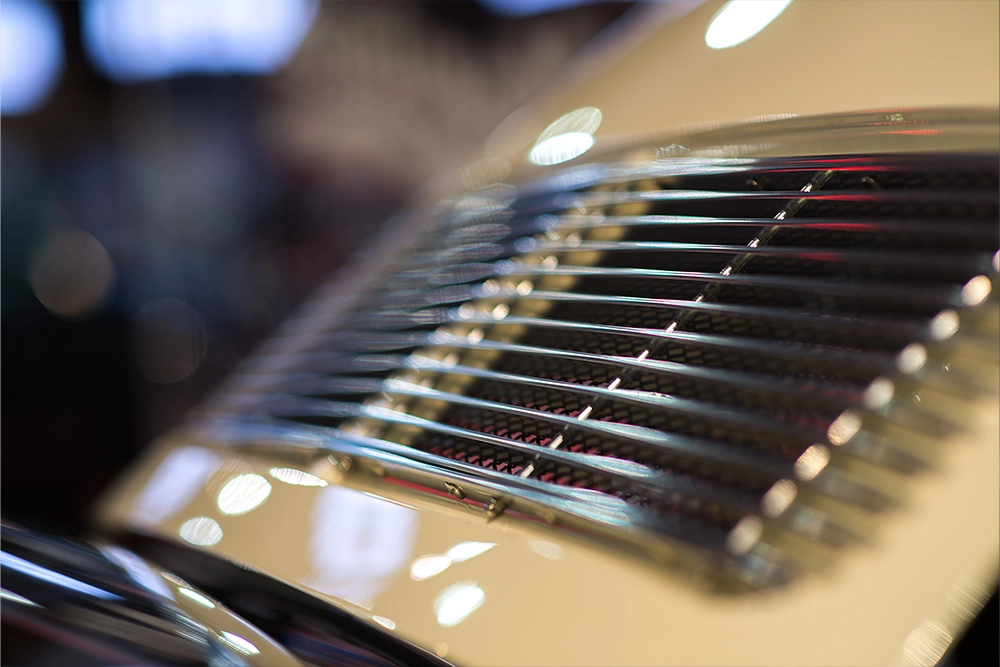
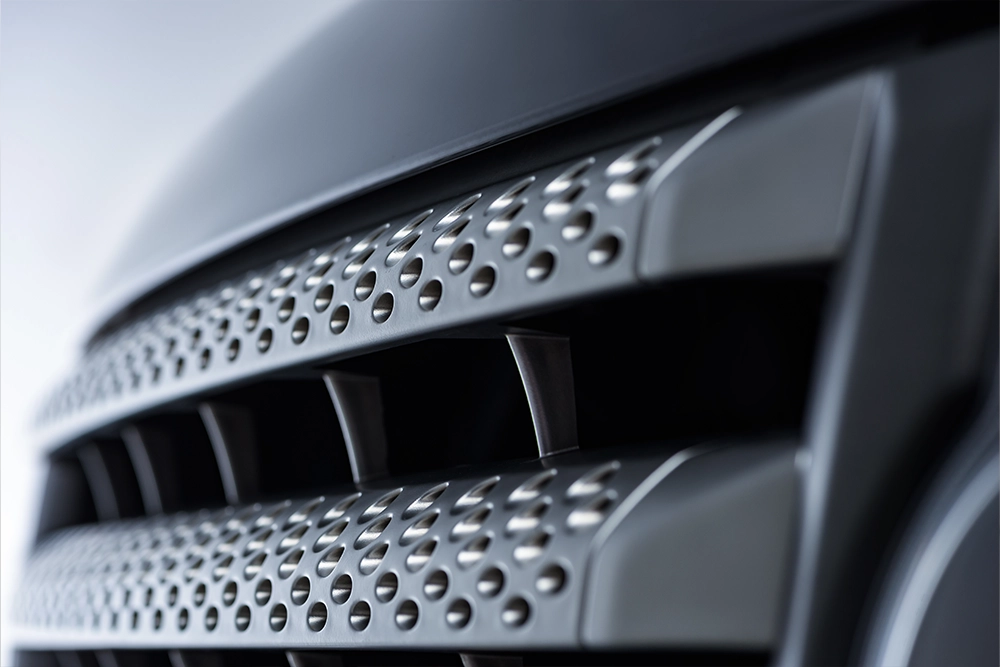
The grille’s a big deal, both for looks and function. You pop it in to match new branding, but it also needs to keep air moving to the radiator and coolers. Internal rib spacing and open areas usually stay close to stock.
Manufacturers tweak mounting tabs and clips so the grille works with new headlights or bumpers. This helps cut down on panel stress and vibration, which is a nice bonus over time.
Material matters here. Most facelift grilles use injection-molded thermoplastics—they’re stiff enough but can take a hit. Designers don’t make them too thick, since that could block airflow or add weight.

Hood Modifications

Hood changes depend on the platform and how far the facelift goes. Often, you’ll keep the original hood, letting new bumper and grille shapes do the heavy lifting on style. Some kits do include a new hood with different lines.
When manufacturers go for a new hood, they keep latch positions, hinges, and crumple zones the same. You get a fresh look but don’t lose out on safety or service access.
Tooling limits what’s possible. Subtle lines replace deep creases to avoid panel distortion and keep gaps even. It’s less dramatic, but it keeps things fitting well for years.

Bumper, Grille, Hood

Lighting System Upgrades

Lighting upgrades swap out visible parts and adapt wiring and mounts to fit newer tech. You get better light spread, modern styling, and electronics compatibility—if everything’s hooked up right.

Headlight Replacement

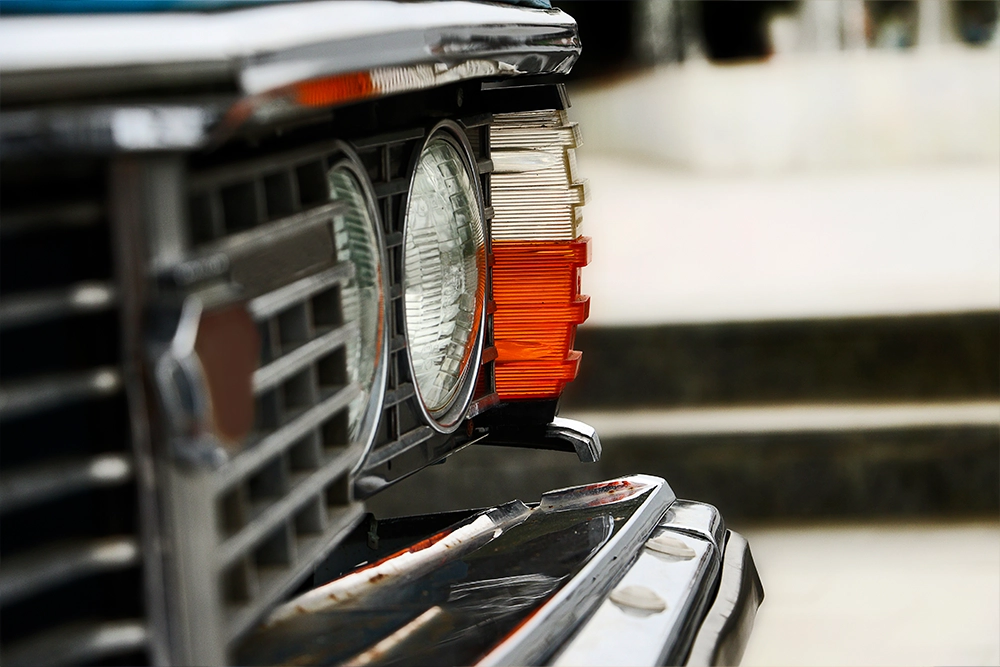
New headlights mean new housings and updated lighting tech. Most kits move from halogen reflectors to projectors or LEDs, which really change how light hits the road. Engineers design these to fit new bumper and grille shapes, but they still have to meet legal beam patterns.
Wiring can get tricky. New headlights might need different connectors, extra modules, or even reprogramming to avoid error codes. Manufacturers try to balance optical performance with heat management, since LEDs run hot in tight spaces.
Things to watch for:
● Housing depth vs. core support clearance
● Beam cutoff accuracy
● Heat dissipation with integrated sinks

Taillight Enhancements

Taillight upgrades are all about visibility, speed, and working with the car’s signaling. Modern taillights usually swap out old bulbs for LED arrays—they light up faster and stay bright. That helps signals stand out without changing how people drive.
For manufacturers, lens shape and internal guides need precise molding. You want even light, no hot spots, and good contrast for brake and turn signals. The wiring has to match the body control module to avoid hyper-flashing or warning lights.
Common tweaks:
● New mounting tabs for updated panels
● Built-in resistors or modules for LEDs
● Better sealing to keep out moisture

LED Daytime Running Lights

LED daytime running lights (DRLs) make you more visible during the day. Facelift kits often tuck DRLs into headlight assemblies or bumper trims. Engineers wire these to run independently from low beams while staying within brightness rules.
You get low power draw and long life, but the system needs tight voltage control. Manufacturers have to manage heat and make sure the light looks even. Where they put the DRLs also changes airflow and bumper design.
Aspect Engineering Impact
Brightness limits Prevents glare and regulatory issues
Thermal control Extends LED lifespan
Mounting location Affects cooling and fitment

Additional Exterior Elements

Besides the main facelift pieces, other exterior parts matter for fit, airflow, and that seamless look. You can’t treat these as just decoration—they impact alignment, durability, and compliance.

Fender Adjustments

Fender tweaks help smooth the transition between bumper, hood, and doors. You use these to fix panel gaps caused by new bumper shapes or headlight profiles. Manufacturers usually change mounting points or contours a bit, not the whole fender, to keep tooling costs down and crash performance up.
Material choice is key. Steel fenders keep the original crumple behavior, while aluminum sheds weight but needs stricter forming and corrosion protection. Watch wheel clearance, especially if the facelift widens the bumper or changes ride height.
Badly matched fenders mean uneven gaps, paint stress, and wind noise. Good stamping and fixtures cut these risks and make installation easier.

Side Skirt Updates

Side skirts move air along the lower body and visually tie together new bumper designs. You rely on them to keep sill height even and make sure the facelift doesn’t look off-balance.
Manufacturers usually mold these from ABS or polypropylene—they’re tough and flexible. These materials handle curb hits and temp swings better than stiff composites, but you can’t get super sharp lines. Mounting often uses factory holes, so you don’t have to drill into the rocker panel and risk rust.
Get the geometry wrong, and skirts can trap debris or block jacking points. The best designs balance aerodynamics, service access, and durability without messing with the car’s structure.

Fitment Considerations and Compatibility

Fitment is everything. If a facelift kit doesn’t line up with factory body lines or keep safety systems working, you’ve got problems. You have to think about model changes and differences between OEM and aftermarket parts.

Vehicle Model Adaptations

You have to design for a specific make, model, year range, and body style. Even small changes between years can throw off fitment. Manufacturers might tweak bumper beams, headlights, or mounting points from one year to the next.
Always check how parts mate with factory structures. A bumper might bolt up, but you may need matching grilles, trims, or foam absorbers to get alignment and impact performance right.
Common adaptation factors:
Area Why It Matters
Mounting points Misalignment causes panel gaps or stress
Sensors and cameras Incorrect placement affects calibration
Lighting geometry Headlights and fog lamps must match cutouts
Sometimes, you’ll need extra bits to fit newer facelift parts to older models—think brackets, wiring extensions, or undertrays.

OEM vs Aftermarket Choices

OEM kits stick to factory tolerances and CAD data. You get reliable alignment, matching materials, and known crash behavior. Plus, you can use factory fasteners and service procedures.
Aftermarket kits give you more style options, but there are trade-offs. To fit more trims or years, manufacturers might loosen tolerances or simplify mounts, which can make installation less precise.
Compare these factors:
● Material thickness and stiffness
● Mounting tab accuracy
● Sensor and lighting fit
Aftermarket kits let you customize, but you’ll need more skill to get everything lined up. Tighter fit usually means less compatibility across models, but better results if you get it right.

Bumper, Grille, Hood

Benefits and Impact on Vehicle Appearance

A facelift kit changes up the main exterior panels but keeps the vehicle’s structure. You get an instant visual refresh, and it can shift how buyers see the car’s age and condition.

Aesthetic Improvements

A facelift kit shakes up how light and lines play across the car. You’re swapping out or overlaying bumpers, grilles, hoods, and trim—the stuff that sets the tone for the front and rear.
Manufacturers make sure these parts fit with the original mounting points and gaps. You get a fresh look without having to cut or weld, but you’re still limited by the old platform’s shape.
Component Visual Effect
Front bumper Changes perceived width and stance
Grille Updates brand identity and airflow framing
Hood Adjusts surface height and character lines
Material choice shows up in finish and durability. Injection-molded plastics keep edges sharp and textures even, while composites trade weight for more tooling and fit quirks.

Resale Value Influence

A facelift kit can help resale by showing buyers the car’s been cared for, not just modified for performance. It makes the vehicle look current for its model cycle, which can matter in comparisons.
Consistency is important. Manufacturers avoid wild shapes so new parts blend with factory panels—nobody wants the car to look patched together.
Installation matters, too. Even the best parts lose value if the alignment or paint looks off.
Facelift kits usually help maintain value rather than boost it. They cut down on the car’s perceived age, making it more appealing at inspection or in listings.

Frequently Asked Questions

Here’s where you’ll find answers about how facelift kit parts work, how design affects fit and performance, and what you should think about before making changes. We’ll touch on appearance, engineering trade-offs, compliance, and what it all means for long-term ownership.

What components are typically included in a facelift kit for a vehicle?

A facelift kit usually means new exterior panels that update what you see, but the vehicle’s structure stays the same. You’ll find front and rear bumpers, a grille, lighting housings, and trim—all meant to fit existing mounting points.
Manufacturers design these to factory specs, so you don’t have to mess with the structure. That way, crash safety, sensors, and cooling systems still work as intended.

How does a new bumper affect the vehicle's appearance after a facelift?

A new bumper changes how the car looks by shifting lines, intake shapes, and surface depth. The car might look wider or just more up-to-date, all without touching the chassis.
Engineers still have to keep airflow and impact absorption in mind. Designers juggle style changes with needs for cooling, ground clearance, and fixing the bumper if it gets damaged.

Can installing an aftermarket grille impact the performance of a car?

A grille’s not just for looks—it moves air to the radiator, intercooler, and engine bay. If the opening or shape changes, it might affect cooling, especially at low speeds or under load.
Manufacturers test airflow and pressure drop to avoid problems. But a poorly designed grille can block air or cause turbulence, which can bump up operating temps.

What should I consider when choosing a hood for my car's facelift?

Think about the material, weight, and how it handles heat. Aluminum and composites are lighter, but need solid reinforcement to stay stiff and keep the latch working.
The hood’s structure matters, too. Vents, if you want them, should handle water and heat without hurting safety or adding noise.

Are there any legal considerations when modifying a vehicle with a facelift kit?

You’ve got to make sure new parts follow local rules for lighting, pedestrian safety, and bumper height. Headlights, reflectors, and sharp edges get the most attention from inspectors.
Manufacturers usually design kits to meet these rules, but how you install them matters. Poor alignment or non-approved lighting can make even a legal part illegal on the road.

How do facelift kits impact a vehicle's resale value?

A facelift kit can help maintain or even boost resale value, but only if it lines up with the factory design language and fits well. Most buyers see OEM-style updates as a natural part of the car, not some random aftermarket tweak.
But if the kit fits poorly or the finishes don't match, value can take a hit. Parts that aren't compliant with standards can also turn off potential buyers.
Honestly, the materials and how well everything lines up matter a lot over time. If something feels off or looks cheap, people notice.

Want to Know More About Our Products

View All Products Now