You use fog lamps for pickup t...
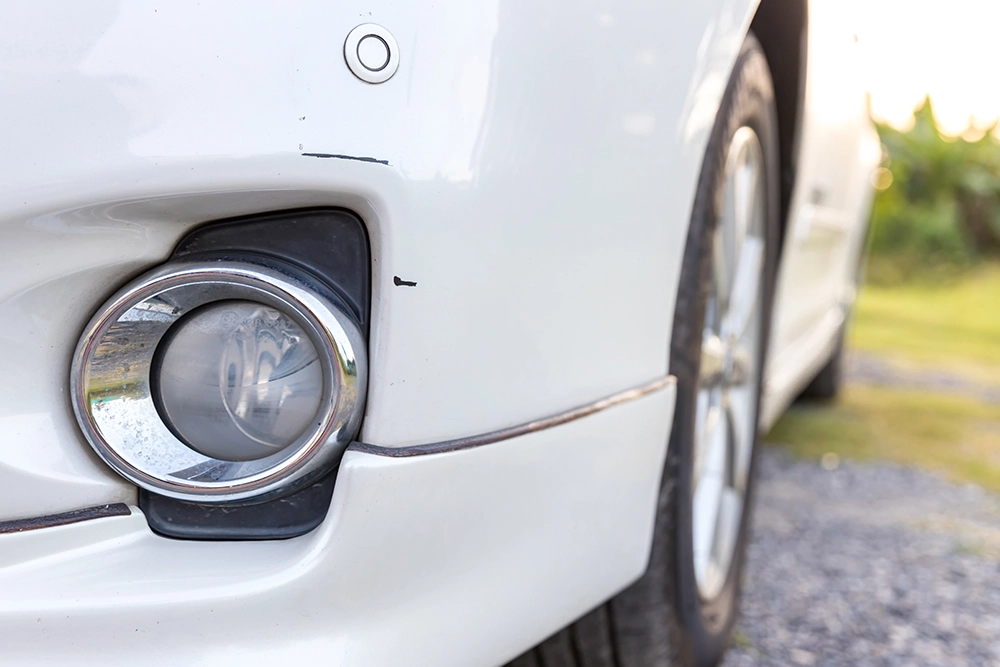
You use fog lamps for pickup trucks only when visibility drops in fog, heavy rain, snow, dust, or mist, because their low, wide beam reduces glare and improves short‑range visibility where standard headlights fail. Designed to project light below the fog layer, fog lights limit backscatter and help you see lane edges, road texture, and obstacles at low speeds.
From a technical standpoint, fog lamps rely on controlled optics, precise cutoff angles, and sturdy housings to handle heat, moisture, and vibration. Engineers trade beam width for forward reach to avoid glare while keeping contrast, so fog lamps work with low beams instead of replacing them.
This guide covers what fog lamps are, when you should use them on pickup trucks, and how their beam pattern makes driving safer in bad weather. We'll also talk about choosing the right type, aiming them properly, and keeping them working—plus a few legal notes.
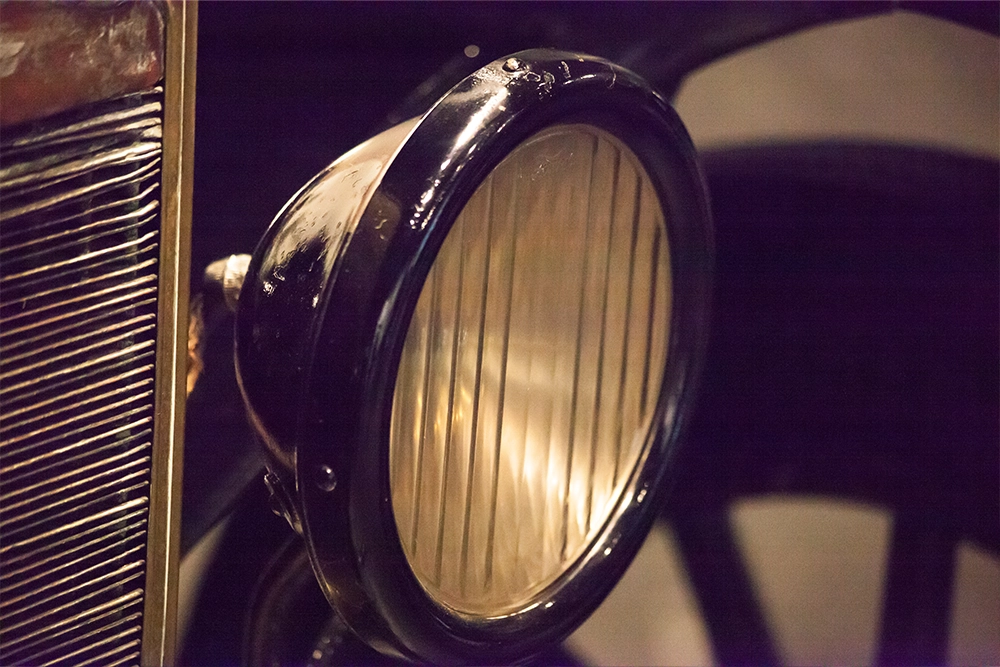
Fog lamps are extra front-facing lights designed to help you see the road up close when fog, rain, or dust scatters light. You use them to cut glare, aim light close to the pavement, and keep contrast high when regular headlights just bounce light back at you.
Fog lamps sit lower on the front of the truck and throw a wide, flat beam with a sharp upper edge. This setup keeps light from bouncing straight back into your eyes in fog, rain, or snow.
Headlights focus on distance—fog lamps focus on what’s right in front of you. You’ll notice fog lamp lenses and reflectors are shaped for side-to-side spread, not throw.
Manufacturers try to balance beam width with sharpness to avoid blinding other drivers. Their housings and mounts need to handle spray, rocks, and the constant shaking pickups go through.
Optical design really matters. If the cutoff is too tight, you lose reach at speed. If the beam’s too wide, you might lose detail on the road.
Fog lamps mainly differ by light source and the way they shape the beam. Each has pros and cons for heat, brightness, and how long they last.
You’ll pick based on your truck’s wiring, the weather you drive in, and your own needs. LEDs work well with newer pickups, while halogens are fine for older models.
Good fog lamps use smart optics, not just raw power. Multi-surface reflectors or projector shields keep the beam consistent.
Lens material counts. Polycarbonate resists rocks and UV rays way better than glass—handy if you’re off-roading. Seals like O-rings and pressure vents keep water out and stop light from getting all fuzzy.
Color temperature changes how well you see. A neutral or slightly warm light helps you spot wet pavement details. Too much color shift hurts visibility and could even get you in trouble with the law.
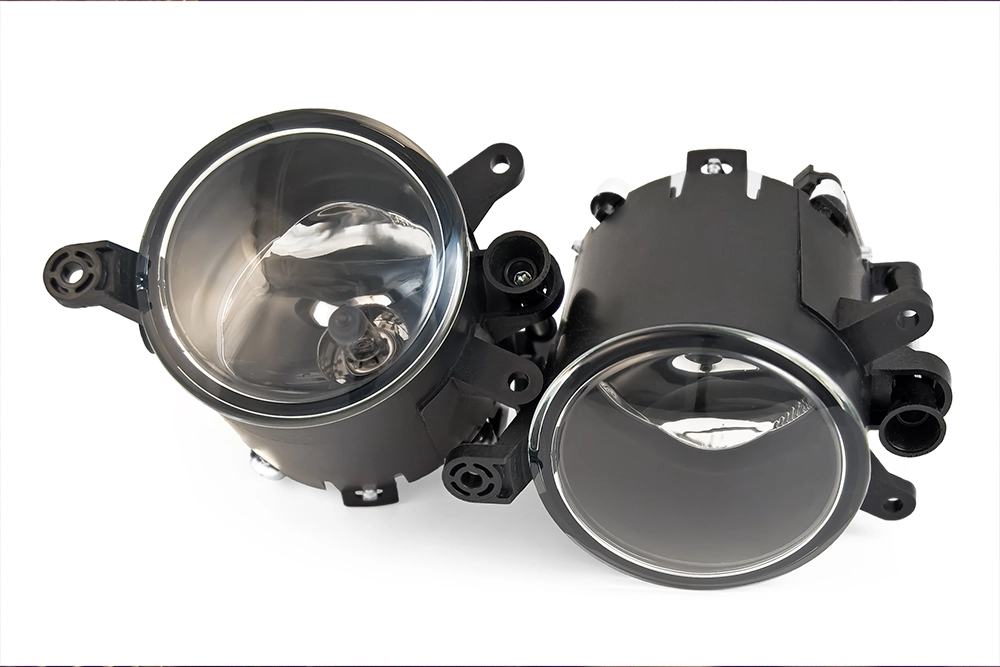
Fog lamps fix visibility problems that regular headlights just can’t. Their low mounting and wide, flat beam cut down on scattered light right above the road.
When you use them depends on how thick the weather is, the time of day, and what’s legal where you drive.
Turn on fog lamps when fog chops your view down to a few hundred feet or less. In that kind of soup, low beams just bounce light right back at you and make it worse.
Fog lamps have a sharp upper cutoff and point down. That pushes light under the fog, not into it.
You’ll see pavement, lane lines, and the shoulder a lot more clearly. On pickups, the higher ride makes headlight glare worse in fog, so low fog lamps really help.
Run them together with your low beams, not by themselves.
You’ll want fog lamps in heavy rain, wet snow, or blowing dust too. These scatter light much like fog, just lower to the ground.
The wide beam lights up what’s right in front of you, where trouble usually pops up first. Too much light creates glare in rain, but too little isn’t much help—so engineers aim for even coverage, not distance.
You’ll spot curbs, junk, and lane lines sooner, especially at slower speeds. Don’t use fog lamps in clear weather—they don’t help and might annoy other drivers.
Some trucks even have controls that keep you from turning them on unless you need them.
Fog lamp rules change from state to state. Most laws say when you can use them and how they should work with your other lights.
Rear fog lamps shine bright red. Use them only when it’s really bad out, and turn them off as soon as you can see again.
Check your local laws before you make fog lamps a habit, especially if you cross state lines.
Fog lamps make it easier to see by shaping light, cutting glare, and boosting contrast close to the road. The way they’re built changes how well you spot lane edges, obstacles, and road changes in bad weather.
Fog lamps throw a wide, low beam that spreads out to the sides but doesn’t go up much. You see more right in front of you, and less light bounces back from fog or rain.
Engineers shape the reflector and lens to keep the upper edge sharp, so light stays below your eyes. Placement close to the bumper helps too, since it shortens the path from lamp to road and cuts down scatter.
Fog lamps fight glare by keeping light low and using optics that control scatter. You get less light bouncing straight back in your face in fog, rain, or snow.
Color matters here too. Most fog lamps use white or amber, which keeps contrast high on wet or rough roads. Cooler white adds detail, but amber can feel easier on the eyes in dense fog.
Designers usually pick a color that keeps contrast strong without breaking the rules.
Fog lamps shine in low-speed, low-visibility spots where you need to see right in front of you. On rural roads, you’ll spot shoulders and lines better. In cities, the wide beam helps you notice curbs and parked cars without blinding yourself on shiny signs.
But there are limits. Fog lamps won’t help you see far ahead, and they’re not a headlight replacement. Manufacturers set them up to work with low beams, not against them.
Used right, you get focused light that helps you stay aware without adding glare for anyone.
Picking fog lamps isn’t just about how they look or how bright they are. You need to think about how they’ll fit your truck, how you’ll use them, and how well they’ll actually work in bad weather.
OEM fog lamps fit your truck’s wiring and body perfectly. Engineers make sure these meet the rules, handle heat, and plug right into your controls. You’ll get reliable performance and easy installation.
Aftermarket fog lamps give you more choices—different beams, housings, or bulbs. They’re made to fit lots of trucks, so sometimes the fit or wiring isn’t perfect. You might need adapters or extra parts to get them working right.
OEM units usually stick with tried-and-true materials and seals. Aftermarket ones might use thicker housings or tougher coatings, which can take more abuse but might weigh more or be trickier to install.
Fog lamps only work their best when they’re aimed right and mounted where they belong. Engineers set the cutoff angles to reduce glare, so if you mount them wrong, you lose visibility and might break the law.
Check the fit first. Mounting tabs, spacing, and depth have to match your bumper or lamp pocket. Wiring matters too—voltage, connectors, and current draw should match your truck’s setup, or you’ll get weird electrical problems.
Some fog lamps bolt right in. Others need aiming tweaks or custom brackets. If you don’t line them up right, you’ll get wasted light or extra glare.
Always check the aim after you change tires or lift your truck. Those changes mess with the angle.
Fog lamps work by cutting down on scattered light. The bulb and color you pick really change how well that works.
Halogen bulbs put out a warmer light that punches through fog but heats up the housing. LEDs need good cooling but last longer and keep their brightness.
Color affects contrast, not how far you can see. White makes edges pop; yellow cuts glare. Mixing bulbs in the same housing usually messes up the beam, so stick with what the housing was built for.
Fog lamps need clean lenses, the right aim, and healthy wiring to do their job. Keep them working by cleaning them, checking the aim, and fixing issues fast.
Fog lamps sit low, so they pick up dirt, salt, and water faster than headlights. That grime scatters light and wrecks the beam.
Wash them with mild soap and water, then dry with a soft cloth. Skip harsh cleaners—they’ll wreck the polycarbonate coating.
Check the seals while you’re cleaning. Manufacturers design them to keep water out, but bumps and age can break them down.
Fog lamps throw a wide beam with a sharp upper edge. You have to aim them right to keep light out of other drivers’ eyes.
Aim them on flat ground with the truck at normal height. The cutoff should sit low and a bit to the side, just like the manual says.
If you lift your truck or change tires, check the aim again. Those tweaks mess with the angle, and a bad aim ruins the beam.
Most fog lamp problems come from optics, wiring, or water. Each one messes with visibility in its own way.
If you see fog inside the lens, the seal probably failed. Replace the seal or the whole housing—don’t drill holes, that just throws off the pressure.
If the lamps flicker, check for corroded connectors or cracked wires near the bumper. That spot takes a beating from water and vibration.
Uneven light usually means the reflector or LED module is damaged. You can’t fix that by aiming—replace the part.
Fog lamps on pickups help you see better in low-visibility by shaping light, spreading it wide, and mounting it low. Their design changes how well you spot the road without blinding yourself or others.
Use fog lamps in dense fog, heavy rain, snow, or dust—basically, anytime stuff in the air scatters your headlights and makes it hard to see the road.
Fog lamps throw a wide, low beam that stays under the layer of fog or rain. This helps you see what’s right in front of you, where you actually need to steer or brake.
Yep, you can use fog lamps in heavy rain, snow, or dust when your regular headlights just bounce light back at you.
Fog lamps won’t help you see farther, but they make road edges and obstacles stand out better at low speeds.
Mount fog lamps low on the front bumper, below the headlights. That helps get the beam angle right and keeps light from shining up.
Make sure they’re aimed right, wires are tight, and they’re hooked into your truck’s system. Good housings and brackets matter for heat, alignment, and durability.
Fog lamps use a wide, flat beam with a sharp edge. Headlights throw light forward and up for distance.
Headlights help you see far at speed. Fog lamps help you see what’s close and cut glare when it’s hard to see.
You’ve got to follow local and regional lighting rules, and they usually restrict when you can turn on fog lamps.
A lot of places only allow you to use them during bad weather.
Manufacturers design fog lamps to hit certain standards for brightness, color, and beam shape.
But at the end of the day, it’s up to the driver to install them correctly and use them responsibly.
Fog lamps help you spot road edges, lane markings, and obstacles when visibility drops. You can steer and brake with more confidence.
They throw a controlled beam that cuts down on reflected glare. That means you get steadier visuals, even when your regular headlights just aren’t cutting it.

