LED headlight legal requiremen...
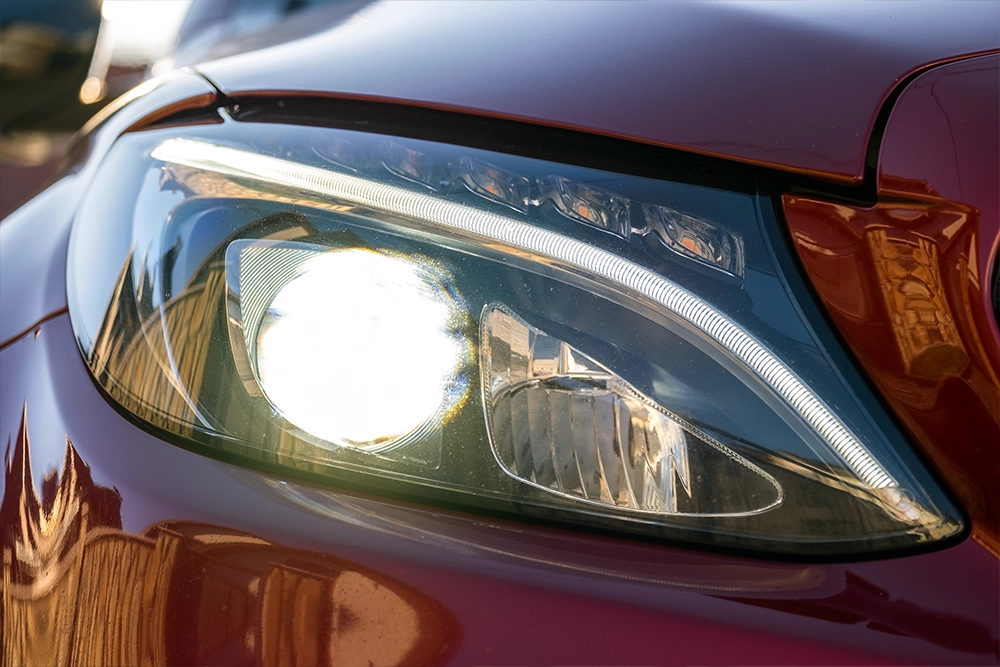
LED headlight legal requirements let you use them on public roads only if the full lamp system meets FMVSS 108, DOT, and SAE standards. The beam pattern, glare control, and proper certification all matter. From an engineering angle, legality depends on the system—not just the bulb. Most plug-in LED retrofit bulbs don't pass these tests.
Factory LED headlights on OEM vehicles pass because engineers design the optics, thermal control, and electronics as a single unit. Aftermarket LED headlights often break compliance if you install them in halogen housings. That changes the light distribution and increases glare, which gets noticed during inspections or traffic stops.
You'll see how certification testing works and why beam pattern and photometry drive road use approval. Installation choices can really affect real-world performance. There's also a bit about inspections, regional standards, and the trade-offs engineers face when designing compliant LED lighting systems.
You design and supply LED headlights inside a strict legal framework. Federal rules set the minimums, while states handle enforcement on public roads.
Compliance depends on beam pattern, glare control, and system approval. It's not just about how bright the light is.
You have to meet federal regulations before a vehicle can hit U.S. roads. The Federal Motor Vehicle Safety Standard (FMVSS) 108 defines what a headlamp must do—beam shape, aim, color, intensity. These rules apply to the whole vehicle, not just the bulb.
States control registration, inspection, and enforcement. Most states allow factory-installed LED headlights that meet FMVSS 108. Problems show up when you use aftermarket LED bulbs in halogen housings. That combo usually fails beam and glare limits at inspection.
Federal rules set your design targets. State rules affect customer acceptance and service headaches after the sale.
You deal with several authorities during design and launch. Each one has a specific role in LED headlight compliance.
You certify compliance yourself, backed by test data. You have to validate photometry, thermal stability, and electrical control. Retrofit LED bulbs almost never pass because the optics and bulb shape don't match the original housing.
Public policy links road safety to measurable lighting performance. Regulators care about forward visibility but don't want excess glare for other drivers.
You control luminance, cutoff sharpness, and aim sensitivity. LED systems last long and respond fast, but they need tighter thermal and optical control.
Poor heat management shifts color and output over time. Misaligned optics cause glare complaints and enforcement issues.
Agencies look for system-level results, not component claims. You lower risk by designing full LED headlamp assemblies that meet federal standards in real driving.
You design LED headlights under strict technical rules. These control beam shape, glare, brightness, and labeling.
These rules define how you test systems, pick optics, and approve parts for road vehicles. Certification affects housing design, electronics, and final markings.
FMVSS 108 sets the federal standard for lighting in the U.S. You have to meet this rule for any headlamp used on public roads.
The standard controls beam pattern, intensity, color, and glare. You design the LED, reflector, and lens as a single system.
FMVSS 108 doesn't approve loose LED bulbs for halogen housings. The optical mismatch causes light scatter and glare, which fails testing.
You check compliance with lab tests for aim, cutoff, and output. You also test for durability, vibration, and heat. These steps make sure the lamp works over its whole life, not just when installed.
SAE standards support FMVSS testing in the U.S. The Society of Automotive Engineers defines test methods and targets you follow during design.
ECE regulations apply outside the U.S. Many global platforms target both systems. ECE R112 focuses on headlamp beam patterns and demands a sharp cutoff to control glare. You tune optics differently for ECE than FMVSS.
Key differences you manage during design:
These differences change lens geometry, aiming features, and testing plans.
DOT standards require self-certification. You certify the headlamp meets FMVSS 108 before sale. The DOT marking on the lens signals this to regulators and inspectors.
You control this through documented testing and quality checks. You track photometric results, material specs, and production consistency. Audits and recalls can follow if the results don't match your claims.
You also mark lamps with SAE codes to identify function and beam type. These markings help with inspections and service checks. Clear, correct markings cut legal risk and confirm the headlamp qualifies for road use under U.S. regulations.
You need to meet federal lighting rules and state inspection limits when you design, sell, or install LED headlights. Compliance depends on system design, optical control, and how the product gets into the vehicle.
You can treat OEM LED headlights and factory LED headlights as fully compliant systems. Automakers certify them to FMVSS 108 with set beam patterns, glare limits, and durability tests. The optics, electronics, and housing all work together.
Aftermarket LED headlights can meet the law, but only as complete LED headlight assemblies. You have to design the reflector or LED projector headlights to control cutoff, aim, and intensity. Certification matters here.
Key differences you need to handle:
Certification path: OEM self-certification vs. aftermarket DOT/SAE labeling.
Optical control: Integrated optics vs. retrofit risk.
Inspection outcomes: Predictable pass rates vs. variable results.
You should avoid LED headlight bulbs in halogen housings for road use. The halogen reflector expects a filament shape and position. An LED emitter just can't match that geometry.
This mismatch creates glare and uneven light. It also breaks beam pattern limits set by FMVSS 108. These conversions fail inspections in many states.
From an engineering perspective:
The source size is different from a filament.
The focal point shifts, even with adapters.
The cutoff degrades under real aim errors.
No LED maker can honestly claim street legality for this use.
You support road use when aftermarket headlights have clear DOT/SAE markings and documentation. Certification ties to the full assembly, not just the bulb.
Design choices matter:
Thermal control keeps output stable over time.
Driver electronics limit peak intensity.
Mechanical aim holds alignment under vibration.
Common compliance checks include:
Photometric tests for glare and cutoff.
Environmental tests for heat and moisture.
Labeling that matches the tested setup.
You should ship products only in the tested form. Mixing parts voids the certification and raises enforcement risk.
You ensure legal road use by controlling beam shape, output limits, and inspection results. Design, installation, and testing all work together to meet federal standards and state codes.
You design the beam pattern to match the headlight housing. Halogen housings need a different light source shape than LED systems. If you put an LED bulb in a halogen housing, the light scatters and breaks the cutoff line.
You have to set beam alignment during installation. Misalignment causes glare and reduces forward visibility. FMVSS 108 defines allowable beam spread and aim angles.
Key controls to manage:
Optical focus: LED emitter position must match the reflector or projector.
Vertical aim: Too high causes glare; too low limits road coverage.
Horizontal aim: Poor aim shifts light into oncoming lanes.
You check alignment with calibrated aim tools and flat-surface tests. This step affects inspection results and road safety.
You control headlight brightness with lumen rating and optical efficiency. More lumens don't always mean better performance. Too much output often fails glare limits in testing.
You design systems to balance lumens, beam shape, and thermal control. Most compliant LED systems run within set brightness ranges when installed in the right housing.
Color temperature matters too. Most vehicle codes allow only white light.
Blue or purple hues usually fail inspection, even if brightness is okay.
You think about inspection rules during system design. States enforce headlight compliance through inspection and traffic stops. Inspectors check beam pattern, color, and housing type.
Factory-installed LED systems pass because the whole lamp assembly meets DOT and SAE standards. Aftermarket retrofits fail if the bulb doesn't match the housing certification.
Vehicle registration can get denied if headlights fail inspection in some states.
Common inspection failure points:
LED bulbs in non-LED housings
Excess glare during aim checks
Non-white light output
You lower enforcement risk by certifying the full headlight assembly, not just the bulb.
LED headlight legality depends on where you sell and use the vehicle. You design for different rules on beam shape, glare limits, markings, and test methods.
These rules shape housing design, optics, and validation plans.
In the U.S., federal law sets the base rules. You must meet FMVSS 108, enforced by the DOT.
Key requirements to design for:
Beam pattern and glare limits set by SAE test methods
DOT markings on the full headlamp assembly, not just the bulb
White light color within regulated ranges
States enforce these rules with inspections and traffic stops. Factory LED systems pass because you certify the full system as one. Aftermarket LED bulbs usually fail because they go into halogen housings. That changes focus and increases glare.
From an engineering view, optics, heat control, and aiming stability matter more than raw brightness.
Europe and many other places follow ECE regulations under UNECE. You design to component-level rules that link performance to approval marks.
Common ECE requirements:
ECE R112 for headlamp beam performance
ECE R48 for installation, aiming, and leveling
E-mark approval tied to tested setups
ECE rules allow wider global use since many countries adopt them as-is. You have to lock LED modules, drivers, and optics as a set. Any change means reapproval.
This system favors stable designs with controlled output, consistent color, and sharp cutoff. From production to road use, traceability and repeatable testing help meet safety regulations across markets.
LED headlight legality depends on measured output, beam control, and system integration. Safety follows from how you balance energy efficiency, luminous intensity, and component quality in the lighting system.
You design LED headlights to turn electrical power into usable road light with minimal loss. Efficiency is nice, but legality centers on luminous intensity and beam pattern, not just lumen numbers.
Federal rules measure light at specific points, not total output. You have to control peak intensity to limit glare while meeting minimum illumination. High-performance lighting hits limits fast, so thermal control and current regulation matter.
Fog lamp setups need wider beams and lower intensity. Using headlight LEDs in fog housings usually fails inspection.
Headlight quality depends on optical accuracy, thermal stability, and electrical tolerance. You pick emitters, optics, and drivers as a matched set—not random parts.
Cheap headlights (under $100) often lack stable drivers and precise optics. Output drifts as heat builds up, changing the beam shape during use. This drift increases glare and inspection failures.
Premium designs, like the GTR Lighting Ultra 2, use tighter binning and active thermal paths. These choices keep luminous intensity within limits, even as voltage changes. You also get lower failure rates, especially during cold starts and long night drives.
You face the most legal risk when you install aftermarket LED headlights. Many LED bulbs fit into the housing but don't match the original reflector or projector design.
Some common issues pop up:
Incorrect beam alignment after swapping bulbs
Color temperature above legal limits, often over 6000K
Non-DOT labeled components in road-use positions
Mixing headlight LEDs with fog lamp housings can cause too much foreground light and glare. Inspectors spot this pattern right away.
If you want to reduce your risk, check the whole system. That means looking at optics, aiming, thermal rise, and making sure the light intensity stays steady in real driving.
The legality of LED headlights depends on system approval, beam control, output, and how you install them. To comply, you need to meet federal rules, pass state inspections, and avoid glare on the road.
In the U.S., you have to meet FMVSS 108. This covers beam pattern, brightness, color, and aiming. DOT and SAE markings mean a headlamp assembly meets these rules.
Factory-installed LED systems already meet the standards. Most plug-in LED bulbs don't, since just the bulb alone doesn't certify the whole lamp.
You need to keep light intensity within federal limits. If your headlights are too bright or the beam pattern is off, you'll cause glare and probably fail inspection.
Legal headlight color sticks to a tight white range. Blue or purple lights aren't allowed and usually get flagged by enforcement.
Federal law sets the baseline, but states handle enforcement through inspections and local vehicle codes. Some states focus more on glare, while others look at markings and aiming.
It's smart to check local inspection rules before you put in aftermarket LEDs. A system that works in one state might not pass in another.
You could fail a safety inspection or end up with a fix-it ticket. Some places make you remove non-compliant headlights before you can register your vehicle.
If you get in a crash and your lights caused glare or didn't work right, your liability risk goes up.
Check for DOT or SAE markings on the full headlamp assembly, not just the bulb. Don't trust packaging claims alone—they don't guarantee compliance.
You can also look up your state's inspection guidelines. Most states publish clear criteria for headlight approval and aiming.
First, swap out the entire headlamp housing for a certified LED assembly that actually fits your vehicle. That’s the only way to keep the beam pattern right and pass the required tests.
Once you’ve installed the new assembly, take the time to aim the headlights properly. Double-check the color and output during inspection—don’t skip this part, or you’ll probably run into trouble with compliance.