Category
  • Homes
  • > Blog
  • > Blog Details

LED Tail Lamps for Pickup Trucks & SUVs: Benefits & Upgrades for Safety, Style, And Performance

LED Tail Lamps for Pickup Truc...
LED Tail Lamps for Pickup Trucks & SUVs: Benefits & Upgrades for Safety, Style, And Performance
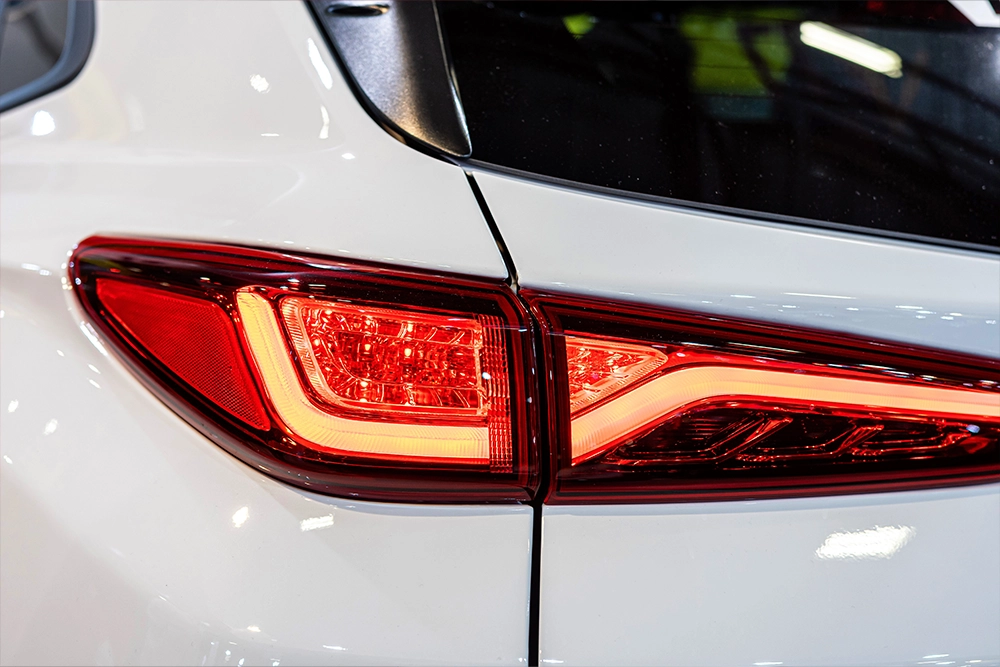
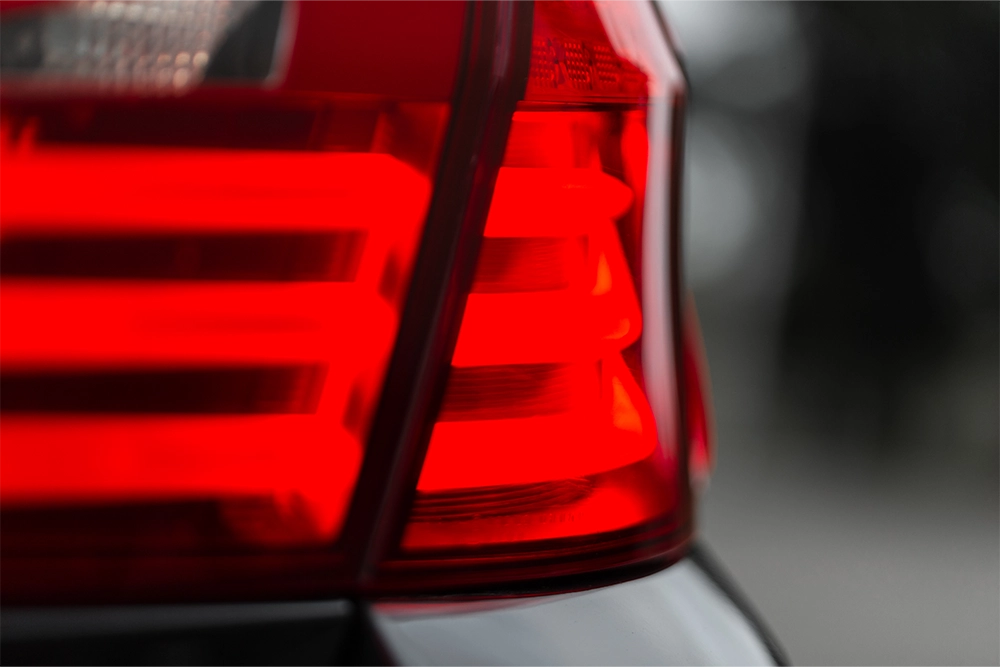
LED Tail Lamps for Pickup Trucks & SUVs boost visibility, response time, and durability compared to old-school bulbs. You get brake lights and turn signals that light up faster, so drivers behind you can react sooner in bad weather or heavy traffic.

Manufacturers build LED tail lamps with solid-state light sources on circuit boards and sealed housings. This setup keeps heat down, shrugs off vibration, and delivers steady output for years. Of course, it does mean costs go up and you have to think about heat and compatibility with your vehicle’s electronics.

Let’s look at how these systems differ from incandescent tail lights, why so many trucks and SUVs run plug-and-play LED upgrades, and how design choices show up in real-world use.

We’ll also get into upgrade paths, safety standards, and how to pick LED tail lamps that fit your ride’s wiring and your needs.

LED Tail Lamps for Pickup Trucks & SUVs


Key Benefits of LED Tail Lamps

LED tail lamps change how your truck or SUV signals to other drivers. The design centers on light control, energy efficiency, and lifespan, all of which shape safety and ownership.

Enhanced Visibility and Safety

LED tail lamps use solid-state emitters that hit full brightness almost instantly. When you hit the brakes, the lights respond right away, giving drivers behind you a better shot at stopping in time. This makes a difference at highway speeds and in stop-and-go traffic.

Engineers shape LED optics for precise beam patterns, not just reflectors. You get even light across the lens, even if the housing gets dirty or wet. That consistency helps in rain, fog, and low light.

Manufacturers seal LED assemblies and use tough, vibration-resistant parts. Trucks and SUVs that tow or go off-road benefit from these choices, since road shock won’t knock the lights out.


Energy Efficiency Advantages

LED tail lamps turn more electricity into visible light and waste less as heat. Your truck’s electrical system draws less current than it would with incandescent bulbs, which matters when you’ve got a lot of lights running.

Lower power draw means less stress on wiring and control modules. Manufacturers can use lighter harnesses and keep lamp housings cooler.


Lighting Type Power Draw Heat Output
Incandescent Higher High
LED Lower Low

These gains really help in modern trucks and SUVs with electronic control units and battery management, especially if your ride has start-stop or hybrid tech.

Longer Lifespan Compared to Traditional Bulbs

LED tail lamps use solid-state components with no filaments to break. You don’t get the usual failures from vibration or sudden temperature changes. That’s a big plus for trucks that see rough roads or heavy loads.

Manufacturers usually rate LEDs for tens of thousands of hours, assuming they manage heat well. Engineers add heat sinks and conductive materials to keep things cool without fans or moving parts.

You pay more upfront, but you end up changing bulbs less often and dealing with fewer headaches over the life of the truck. That’s a relief when swapping out a tail lamp means pulling off panels or bumpers.

LED Tail Lamps for Pickup Trucks & SUVs


Popular LED Tail Lamp Upgrades for Pickup Trucks & SUVs

LED tail lamp upgrades these days focus on housing design, wiring integration, and how the signals behave.

The differences show up in style, installation, and how well your turn signals get the message across.


Customizable Designs and Styles

Custom LED tail lamps often use modular housings and layered optics for different finishes. Manufacturers let you swap out lenses, add light bars, or pick trims like smoked, clear, or dark chrome.

You can switch up the look without messing with the core electronics. That makes it easier to pass lighting tests and stay legal.

Engineers have to balance style with light output. Thick lenses last longer but can dim the light, so they tweak LED placement and reflectors to compensate.

Common options include:

● Lens tint and texture
● LED bar layouts or single emitters
● Housing color to match your truck’s trim

Each of these affects how well the lamp lights up, how hot it gets, and how long it lasts.


Plug-and-Play Installation

Plug-and-play LED tail lamps hook right up to your truck’s factory wiring. Manufacturers match the internal circuits to the original load, so you don’t get error codes or hyper-flash.

You don’t have to cut or splice wires—the connectors match the originals. That’s huge for trucks that use body control modules to watch the lights.

Engineers add weather seals at the housing and connectors. Gaskets and vent membranes keep water and pressure changes out.

Things to look for:

● Built-in resistors or control modules
● Factory mounting points and torque specs
● Compatibility with trailer wiring

These features make installation quicker and keep your electrical system happy.


Integrated Sequential Turn Signals

Sequential turn signals light up LED segments in order to show direction. The control logic runs the LEDs in sequence, not all at once.

This makes your turn intent clearer, since the lights “move” in the direction you’re turning. Engineers use internal drivers and microcontrollers to get the timing right.

The catch is, these systems are more complex. They need extra components, which means more heat and tighter heat management.

Manufacturers deal with this by:

● Spacing out LED segments
● Using aluminum-backed circuit boards
● Programming fallback modes if a segment fails

These tweaks help the signals keep working, even in daily use.

LED Tail Lamps for Pickup Trucks & SUVs


Comparison Between LED and Traditional Tail Lamps

LED and traditional tail lamps both signal, but they do it with different tech. Those choices change visibility, toughness, and maintenance for trucks and SUVs.

Brightness and Response Time

LED tail lamps use diodes, while old-school lamps use heated filaments. LEDs light up quicker and more evenly. Manufacturers spread LEDs across the housing, so you don’t get hot spots like you do with a single bulb.

LEDs reach full brightness almost instantly. Filament bulbs take a moment to warm up. That delay can matter when you’re braking, especially in a heavy truck or SUV.


Characteristic LED Tail Lamps Traditional Tail Lamps
Light output Even, controlled pattern Concentrated around filament
Response time Near-instant Slight delay
Power demand Lower current draw Higher current draw

LED systems need current regulation and heat control, which makes the lamp assembly a bit more complicated.

Durability in Demanding Conditions

Trucks and SUVs see a lot of vibration, temperature swings, and moisture. LED tail lamps hold up better because they don’t have fragile filaments. You cut down on failures from rough roads or off-roading.

Manufacturers usually seal LED assemblies as closed units. This keeps out dust and water, but you can’t just pop in a new bulb if something fails. Traditional lamps have simpler housings and replaceable bulbs, but they let in more moisture and wear out faster.

LEDs generate heat at the base, so designers add heat sinks or conductive paths. If they don’t manage heat well, LEDs won’t last—especially when towing or idling in hot weather.


Maintenance Requirements

LED tail lamps shift maintenance from swapping bulbs to making sure the whole system holds up. You usually don’t replace individual LEDs—they’re built to last for years with normal use.

Traditional lamps need new bulbs now and then, which is easy but more frequent. You also have to deal with socket corrosion and worn-out filaments, especially in salty or humid climates.

For manufacturers, LED systems need tight quality control during assembly. Once you install them, you spend less time on upkeep, but repairs might mean replacing the whole lamp.


Legal Considerations and Safety Standards

LED tail lamps change how your vehicle signals braking, turning, and presence. Federal rules set color, brightness, activation, and mounting. The way you install them decides if you stay legal on the road.

DOT Compliance for LED Tail Lamps

You have to use LED tail lamps that meet Federal Motor Vehicle Safety Standard (FMVSS) 108. This covers all required exterior lighting in the U.S. The standard sets red rear-facing color, minimum brightness, and visibility angles for tail lamps, brake lights, and turn signals.

Manufacturers build compliant LED assemblies as full systems, not just bulbs. Optics, LED output, and heat control all work together to hit the right numbers without glare. Look for DOT and SAE markings on the housing—they mean the lamp passed lab tests.

Non-compliant lamps might be too bright or have weird beam patterns, which can make your signals less clear.

Too much brightness doesn’t make you safer and could get you in trouble during inspections or after a crash.


Proper Retrofit Practices

When you retrofit LED tail lamps, the whole system—electrical and optical—has to work as designed. Trucks and SUVs often use bulb-out detection or pulse-width modulation, which LEDs handle differently than old bulbs.

Manufacturers usually build in resistors or drivers to make LEDs work with factory systems. Slapping on external resistors can fix errors, but it adds heat and can strain wiring if not done right.

Fit matters, too. The lamp needs to mount securely, keep factory seals, and line up reflectors.

Common retrofit problems:

● Hyper-flashing signals
● Dim brake lights
● Moisture getting in and causing corrosion

You can avoid these by picking LED assemblies made for your specific truck or SUV.


Choosing the Right LED Tail Lamps

Picking LED tail lamps isn’t just about looks. You need to get the electrical design, fitment, and legal stuff right—and think about reliability and support down the road.

Compatibility Checks for Specific Vehicles

You have to check fitment for your exact vehicle. Trucks and SUVs use different housing depths, mounts, and connectors depending on year and trim. Engineers build lamp assemblies around body panels, so even small changes can mess up sealing and alignment.

Electrical compatibility is just as important. Many newer vehicles watch bulb resistance, and LEDs draw less current. Manufacturers often add resistors or modules to keep dash warnings and weird signaling at bay.

Double-check regulatory compliance, too. DOT and SAE rules set brightness, beam shape, and reflector spots. A lamp that fits but fails these tests can cause inspection or legal headaches. Compatibility means more than just bolting it on.


Trusted Brands and Warranty

Brand reputation says a lot about engineering and manufacturing. Established brands usually use sealed housings, solid soldering, and proven heat management to keep LEDs shining over time. That helps prevent leaks and overheating.

Warranty terms tell you how confident the maker is. Longer coverage usually means the company trusts its drivers, circuit boards, and lens materials. Check what’s covered—electronics or just cosmetics.

It’s nice when brands keep production consistent. That way, if you need a replacement years later, you can get one that matches.


Frequently Asked Questions

LED tail lamps swap out old bulbs for solid-state light sources and integrated electronics. They change visibility, electrical load, and fitment—which all play into safety, installation, and reliability.

What are the advantages of upgrading to LED tail lamps on my pickup truck or SUV?

LED tail lamps use diodes on circuit boards instead of filaments. This setup gives you faster response, steady brightness, and a longer life—especially when the road gets rough.
You pay more up front, but you get less heat and fewer moving parts to fail.

How do LED tail lamps improve safety for my vehicle?

LEDs light up quicker than old bulbs, shrinking the gap between brake pedal and visible light. That matters in real traffic, especially at speed.
Manufacturers also tune LED optics for a more even light pattern, making your signals easier to spot.

What is involved in the installation process of LED tail lamps?

Most LED tail lamps for trucks and SUVs come with vehicle-specific housings and connectors. You usually just swap out the factory unit and plug in the new one—no wiring mods needed.
Some trucks need load resistors or drivers to keep warning lights off. Engineers try to keep things simple but compatible.

Can LED tail lamps improve my vehicle's energy efficiency?

LED tail lamps pull less current than old bulbs for the same brightness. That lightens the load on your truck’s charging system.
You won’t see huge fuel savings, but the lower draw helps keep voltage steady for other electronics.

What should I consider when choosing LED tail lamps for my vehicle?

Check for DOT or SAE markings to make sure you’re legal. Lens material, sealing, and heat management all affect how long the lamp lasts.
Tighter designs can trap heat, so look for units with heat sinks or smart drive currents.

Are LED tail lamps compatible with all models of pickup trucks and SUVs?

LED tail lamps don’t fit every vehicle out there. Body shape, wiring, and onboard diagnostics can all throw a wrench in compatibility.
Manufacturers usually make model-specific versions to match each vehicle’s mounting points and electrical quirks. Always double-check your truck or SUV’s year, make, and model before picking out a set.

Want to Know More About Our Products

View All Products Now