Category
  • Homes
  • > Blog
  • > Blog Details

LED vs Xenon Headlights: Which Is Better for Pickups & SUVs? Performance, Cost, and Visibility Compared

For pickups and SUVs, LED vs X...
LED vs Xenon Headlights: Which Is Better for Pickups & SUVs? Performance, Cost, and Visibility Compared
For pickups and SUVs, LED vs Xenon headlights usually favors LEDs. They deliver consistent brightness, higher energy efficiency, longer lifespan, and a simpler system design. If you’re in the lighting business, you probably notice this comes down to solid-state LED tech versus xenon HID systems that rely on bulbs, ballasts, and annoying warm-up cycles.

Both technologies can crank out a lot of light, but they go about it in pretty different ways. LED headlights use semiconductor emitters with built-in thermal management. Xenon headlights create light through gas discharge, which adds electrical complexity and messes with durability—especially in trucks and SUVs that get bounced around and deal with harsh weather.

Let’s break down how those engineering choices play out in real-world performance for pickups and SUVs. You’ll see how brightness control, installation, maintenance, and long-term cost all tie back to how each headlight system is designed.

LED vs Xenon Headlights


Key Differences Between LED and Xenon Headlights

LED and xenon headlights do their jobs differently. They generate light, control color, and shape the beam in ways that really affect visibility, durability, and how well they fit into pickups and SUVs.

Light Output and Brightness

LEDs use solid-state emitters attached to heat-managed substrates. They hit full output instantly and keep a steady brightness as you drive. Engineers can tweak the output by adding or removing emitters, and by managing the heat—which matters if your truck idles or tows a lot.

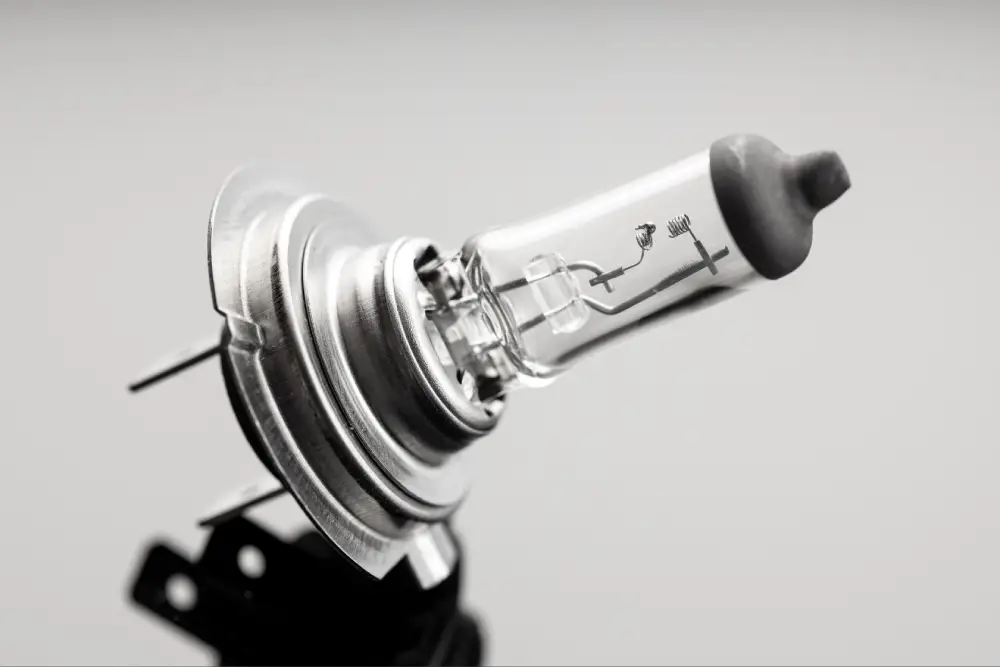
Xenon headlights work by firing an electric arc inside a gas-filled bulb. They can get really bright, but need a warm-up period to stabilize. The system relies on ballasts and igniters, which means there’s more stuff that could break.


Aspect LED Xenon
Start-up Instant Warm-up required
System parts Emitters, driver, heat sink Bulb, ballast, igniter
Output stability High Varies during warm-up

Color Temperature and Visibility

With LEDs, you get precise control of color temperature just by picking the right emitter and tweaking the phosphor. Most of the time, you’ll see a neutral white light that makes road edges, signs, and obstacles pop. This also helps manufacturers line up the color with cameras and adaptive systems.

Xenon bulbs get their color from gas chemistry and the arc itself. The color can shift as the bulb ages, so you might notice the light looking a bit off after a while. Sometimes, there’s more glare if the optics don’t keep the arc tightly controlled.

From an engineering perspective, color consistency matters. Your eyes adapt better to steady light, especially when you’re driving at night for hours. It also changes how reflective surfaces look, particularly on wet roads.


Beam Pattern and Coverage

Beam shape is more about optics than sheer brightness. LED headlights use multiple little light sources, so engineers can sculpt really precise beam patterns with reflectors or projectors. You end up with sharp cutoffs and nice wide coverage—without blinding other drivers.

Xenon systems have a single arc source, which makes projection simpler but not as fine-tuned. Designers use bigger projectors and sometimes mechanical shutters, especially in adaptive setups.

For pickups and SUVs, beam control is a big deal because of the higher mounting height. LED setups make it easier to keep the beam aimed right, even when you’re hauling or towing.

LED vs Xenon Headlights


Performance for Pickups & SUVs

Headlight performance affects how well you see, how tired you get, and how long your components last—especially in heavier vehicles. Pickups and SUVs have their own lighting demands thanks to towing, ride height, and the kind of terrain and weather they tackle.

Off-Road and Towing Applications

When you’re off-road or towing, stability and beam consistency matter more than just raw brightness. LED systems use solid-state emitters on heat sinks, so they handle vibration from rough roads and trailer sway pretty well. That design keeps the output steady over time.

Xenon systems, with their arc bulbs and external ballasts, can handle normal roads but don’t love repeated shocks. You might get a shorter service life if you’re always bouncing around. Plus, they take a few seconds to reach full output after you turn them on, which isn’t great if you’re stopping and starting a lot.


Factor LED Xenon
Vibration resistance High Moderate
Instant output Yes No
Component complexity Lower Higher

Urban vs Rural Driving Needs

In the city, you want headlights that respond fast and keep glare in check. LEDs light up immediately and have precise cutoffs, which helps with traffic, signs, and pedestrians. Engineers tune LED optics for consistent light at short and medium distances.

Rural driving is more about seeing far ahead and keeping steady output. Xenon systems can throw a lot of light down the road once they’re warmed up, which is handy on dark highways. But their fixed beams don’t adapt as well as multi-emitter LED designs that support adaptive features.

You also have to think about electrical load. LEDs pull less power, which is nice when your truck’s running a bunch of accessories.


Weather and Environmental Considerations

Weather definitely changes how headlights perform. LEDs don’t generate much radiant heat, so in freezing weather, snow and ice might build up on the lens. Manufacturers try to manage this with smart housing and thermal tricks, but it’s still something to watch for in harsh winters.

Xenon headlights give off more forward heat, which can help melt light snow off the lens. But they also run hotter overall, which puts more stress on surrounding parts.

Both systems behave differently in rain and fog, depending on color and beam shape. LEDs usually aim for a neutral white to cut down reflection. Xenon lights are a bit warmer, which some drivers say is easier on the eyes in murky conditions.


Installation and Compatibility

How you install headlights affects beam quality, reliability, and how they play with your truck’s electronics.

Retrofit options and wiring needs are pretty different for LED and xenon, especially in newer pickups with complicated lighting controls.


Retrofit Options

Retrofitting LEDs is usually easier. Most kits are plug-and-play, with drivers built right into the bulb base. You don’t have to deal with a bunch of extra parts, which is great for trucks with tight headlamp housings.

Xenon retrofits take more work. You need to add ballasts, run high-voltage wires, and manage heat near plastic housings. They also work best with projectors—if you’ve got halogen reflectors, xenon bulbs might scatter light everywhere.


Factor LED Xenon
Physical space Compact Requires ballast
Housing compatibility Broad Projector-dependent
Installation time Shorter Longer

Always check local laws—some retrofits can mess up your beam pattern and get you in trouble.

Electrical System Requirements

LEDs draw less current, but their drivers talk directly to your truck’s body control module. Manufacturers have to tune these drivers to avoid flicker, bulb-out warnings, or weird behavior with pulse-width modulation. In newer pickups, that tuning can make or break your install.

Xenon systems need more juice at startup and steady voltage to keep the arc going. Ballasts take 12V and crank it up, so wiring and grounding have to be solid. It’s a trade-off for arc stability.

Key electrical considerations

● LED systems need CAN bus compatibility.
● Xenon systems need solid power and grounding.
● Both need proper aiming to avoid glare.

Make sure your lighting system actually fits your truck’s electrical setup—not just the bulb socket.


Longevity and Maintenance

How long your headlights last depends on how they make light and handle heat. For pickups and SUVs, vibration resistance and service intervals are just as important as hours on the spec sheet.

Lifespan Comparison

LEDs use solid-state emitters on heat sinks—no filaments to break. In testing and real-world use, you can expect 30,000–50,000 hours before you see real dimming. Manufacturers have to balance compact size with cooling, so good airflow and housing design are key.

Xenon (HID) headlights use an electrical arc in a gas capsule. The arc wears down the electrodes over time, which shortens life and shifts the color. Most last 2,000–5,000 hours, so you’ll probably swap bulbs every 3–7 years if you drive at night a lot.


Technology Typical Service Life Maintenance Impact
LED 30k–50k hours Rare replacement; thermal design critical
Xenon 2k–5k hours Periodic bulb and ballast service

Durability in Harsh Conditions

LED assemblies handle vibration well since everything’s fixed and sealed. If your truck’s always on rough roads, towing, or starting cold, you’ll see fewer failures from movement. Still, you need proper sealing and cooling—blocked vents or poor heat paths can kill LEDs early.

Xenon setups add more parts—igniters and ballasts. These handle high voltage and heat, so they’re more sensitive to moisture and shock. In cold weather, you get a warm-up delay before full brightness. If you’re off-road a lot, plan to check and replace parts more often.


Cost and Value Considerations

LED and xenon headlights differ in cost because of how they’re built and how long they last in real trucks. For pickups and SUVs, weight, electrical load, and how easy they are to service matter just as much as the sticker price.

LED vs Xenon Headlights


Upfront Costs and Ongoing Expenses

Xenon systems are usually cheaper to buy since they use common bulbs and ballasts. Manufacturers can get these parts pretty cheap, which keeps initial costs down for both OEM and replacements.

But xenon systems need more service over time. HID bulbs wear out and need replacing every few years, especially if you drive at night a lot. Ballasts and igniters add more things that can fail.

LED headlights cost more upfront because everything—emitters, drivers, heat sinks, optics—is built into a sealed unit. That drives up production costs, but you won’t be swapping parts often. Usually, you only replace the whole assembly after years of use or if something breaks.


Energy Efficiency and Savings

LED headlights turn electricity into light more efficiently than xenon. They use less current for the same output, which means less load on your alternator—big deal if your truck runs winches, extra lights, or idles a lot.

Lower power draw helps if you’ve got a lot of accessories. Over time, it can even help your charging system last longer.

Xenon systems use more power at startup and while running. It’s not enough to change your fuel economy, but it does affect wiring and how much heat the system has to handle. Sometimes, manufacturers use heavier-duty parts to compensate, which adds cost and weight.


Frequently Asked Questions

LED and Xenon headlights aren’t just different light sources—they manage power, integrate with modern vehicles, and impact visibility, durability, and costs in their own ways. Here’s a quick run through the most common questions.

What are the main differences between LED and Xenon headlights in terms of performance?

LED headlights use solid-state semiconductors to make light. Xenon systems fire an arc inside a gas capsule.

That changes how fast they respond, how you control the beam, and how they handle heat.


LEDs hit full brightness right away and let you shape the beam with reflectors or projectors. Xenons can be really bright but need a warm-up and depend more on mechanical aiming.


How do LED headlights compare to Xenon in energy efficiency for vehicles?

LEDs use less power because they’re just more efficient at turning electricity into light. Engineers design LED drivers to keep voltage and current steady, which cuts waste and keeps output stable.

Xenons need high-voltage ballasts to start and run the arc. That extra electrical demand makes the system more complex and puts a bigger load on your truck’s charging system.


What are the longevity and durability considerations when choosing headlights for trucks and SUVs?

LEDs usually last longer since they don’t have moving parts, filaments, or pressurized gas. Manufacturers focus on housing and cooling to protect them from heat and vibration.

Xenon bulbs wear out as the gas mix changes and electrodes degrade. If you drive rough roads, that wear speeds up, and you might get color shift or dimmer output sooner.


Are there notable visibility improvements with LED headlights over Xenon in adverse weather conditions?

LEDs give you tighter beam control, which helps cut glare and makes road edges easier to see in rain or fog. Engineers tweak color and cutoff to minimize reflection.

Xenons are super bright but can cause more backscatter if the beam isn’t well controlled. Projectors help manage this, but LEDs are just more flexible overall.


How do the costs of installation and maintenance differ between LED and Xenon headlights for vehicles?

LEDs come as sealed units with everything built in. That makes installation easier, but if something breaks, you’re replacing the whole thing—which can get pricey. Manufacturers design them to last, so replacements are rare.

Xenon systems let you swap bulbs, which is cheaper per part but means more frequent maintenance. Ballasts and igniters are extra pieces that can fail and need attention over time.


Can LED or Xenon headlights enhance the resale value of pickups and SUVs?

Factory-installed LED headlights usually show up on newer vehicles. Buyers often connect these lights with advanced safety features.

People see LEDs as less hassle to maintain. They just feel more modern.

Xenon headlights still look like an upgrade compared to halogen. But they come from an earlier era of lighting tech.

Their effect on resale? It really depends on how well they work and what shape they're in, not just their reputation for innovation.

Want to Know More About Our Products

View All Products Now