Category
  • Homes
  • > Blog
  • > Blog Details

Side Corner Lamps Explained: Purpose, Function & Classic SUV Fitment

Side corner lamps are auxiliar...
Side Corner Lamps Explained: Purpose, Function & Classic SUV Fitment
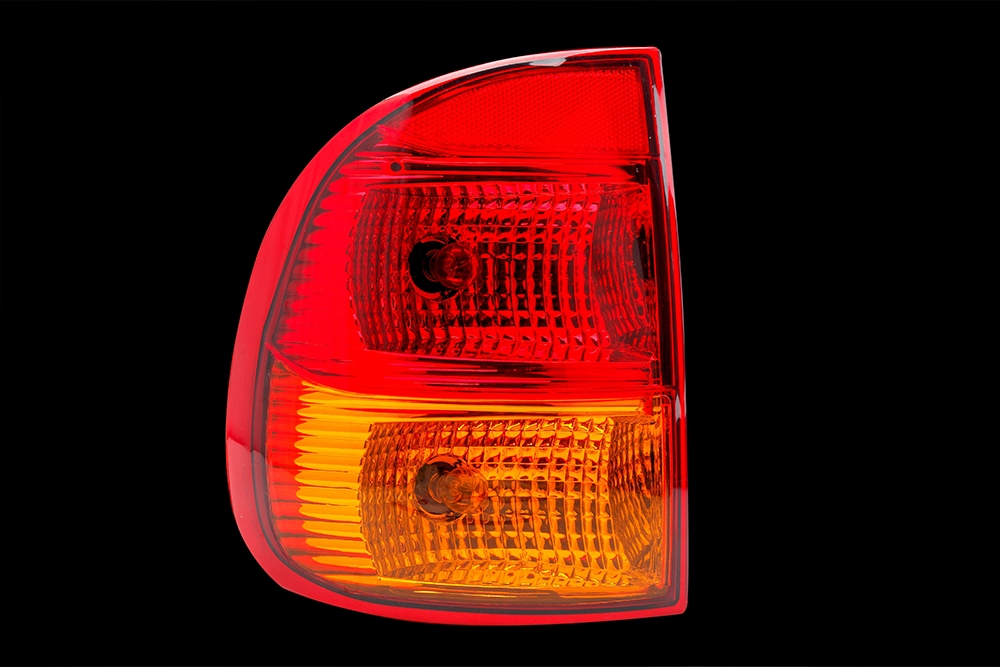
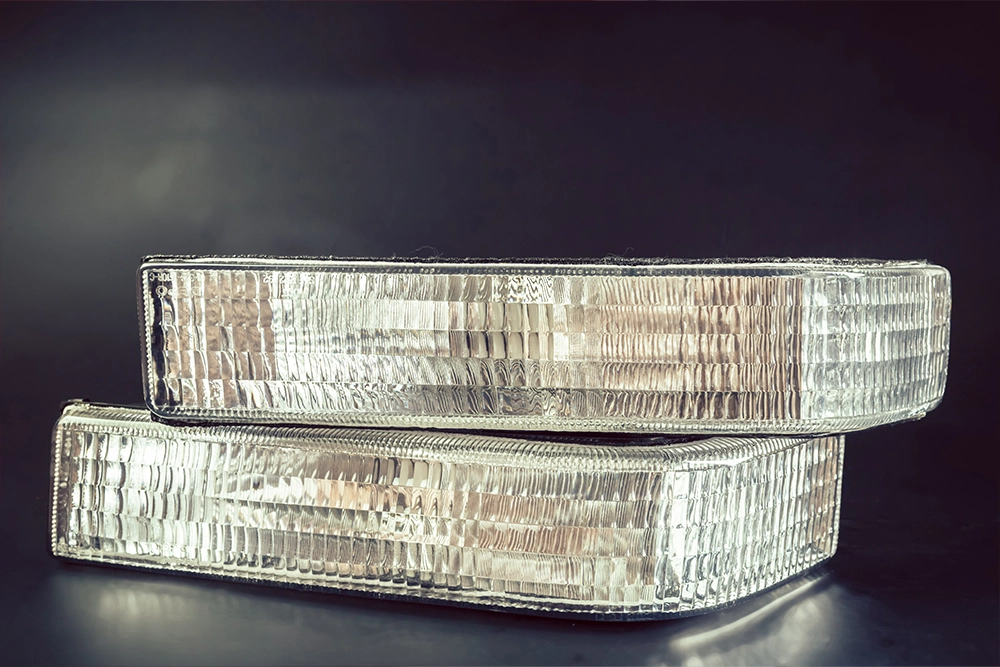
Side corner lamps are auxiliary exterior lights mounted at the vehicle’s corners that improve side visibility and signal vehicle position during turns and low-light conditions. You count on them to make your classic SUV easier to spot from an angle, especially where headlamps and turn signals leave blind spots.
From a manufacturing angle, you’ll find side corner lamps built as sealed housings with precise optics, sturdy lenses, and simple wiring that ties in with parking lights or turn signals. Engineers have to juggle light output, lens color, and housing size to meet regulations and still squeeze these lamps into tight fender and grille spots.
That’s why corner lights don’t quite match side marker lights or cornering lamps in function or placement.

Side Corner Lamps

Purpose of Side Corner Lamps

Side corner lamps fill a clear role in exterior vehicle lighting. You use them to boost lateral visibility, help with driver perception during slow maneuvers, and tick off regulatory lighting requirements tied to vehicle position and movement.

Enhancing Vehicle Visibility

Side corner lamps make your vehicle stand out from an angle. You’ll really notice them when your SUV rolls up to an intersection, pulls out of a driveway, or changes direction at low speed.
Manufacturers aim these lamps outward from the vehicle’s front or rear corners. That placement fills the visibility gap your main headlamps and rear lamps leave behind.
Engineers tweak lens shape, reflector geometry, and bulb output to prevent glare but still push light out to the sides. Too much brightness distracts; too little and no one sees you. The goal? Consistent side illumination without messing up regulated beam patterns.

Improving Driver Awareness

Side corner lamps help you spot more of the road during turns. When your steering angle or turn signal triggers them, they light up the area just past the headlamp’s reach.
This is especially handy at low speeds—think parking, tight corners, or dark streets. You get a jump on seeing curbs, pedestrians, and random obstacles close to your path.
From the manufacturing side, this means syncing lighting modules with vehicle controls. Engineers have to pick between mechanical switches or electronic steering sensors to trigger the lamp. Both routes come with trade-offs in cost, reliability, and how well they fit older vehicle platforms like classic SUVs.

Legal Requirements for Lighting

Lighting rules spell out where and how side-facing lamps can work. You’ve got to meet these standards for road legality and vehicle approval.
Manufacturers build side corner lamps to fit regional rules about color, brightness, and how they turn on or off. These rules aren’t the same everywhere.
Requirement Area Typical Expectation
Light color Amber or white
Mounting location Vehicle corners
Activation Turn signal or steering input
Compliant designs make your life easier—they wire right into the factory harness and won’t cause inspection headaches. Engineers often play it safe and stick to the strictest standard, even if the lamp could technically do more.

Side Corner Lamps

How Side Corner Lamps Function

Side corner lamps boost lateral visibility during turns and slow maneuvers. You use them to light up what headlamps miss, while keeping the wiring simple.

Electrical Operation Explained

Side corner lamps draw power from a specific branch of your vehicle’s lighting harness. The circuit usually taps into the parking or headlamp feed, then runs through a control input linked to steering angle or turn signal logic.
Manufacturers use a fixed reflector with either a single- or dual-filament bulb. If it’s an LED, there’s a current-limited driver instead. Each setup has its own pros and cons for cost, heat, and how easy it is to fix.
Component Function
Power feed Supplies voltage from lighting circuit
Ground Completes circuit through body ground
Control input Enables lamp during turn conditions
Shared circuits keep wiring simple but mean you lose out on independent control. Dedicated circuits add complexity but give you more flexibility.

Integration with Turn Signals

You’ll usually see side corner lamps light up with the turn signal on that side. Either a body control module or a basic relay does the job, depending on how old your SUV is.
In older SUVs, the turn signal switch itself often turns on the lamp. That’s one less electronic part but puts more wear on the switch. Newer systems use modules, which are more reliable but trickier to diagnose if something goes wrong.
This setup makes sense—it matches illumination to what you’re about to do. When you hit the turn signal, the lamp lights up the side path right away, even before you start turning the wheel.
Manufacturers have to get the timing right. If the lamp lags, it’s less useful. If it jumps the gun, it might confuse you or other drivers.

Illumination Patterns

You want a wide, low-angle beam from these lamps, not a forward spotlight. Engineers shape the reflector to throw light outward and just a bit forward, aiming for curbs, lane edges, and random stuff near your wheels.
The lamp sits close to the vehicle’s front corner to cut down on shadows. On classic SUVs with upright bodywork, placement matters more than raw brightness.
You shouldn’t see glare. Regulations keep brightness in check and require clean cutoff zones to avoid blinding other drivers.
Designers work lens texture and reflector shape together. That pairing decides how evenly the light fills out the side without overlapping your main headlamp beam.

Side Corner Lamps

Side Corner Lamps in Classic SUVs

Side corner lamps on classic SUVs do two main jobs: they boost side visibility during slow moves and signal your SUV’s position from odd angles. Their design reflects the lighting rules and manufacturing limits of the time, which still affect how you fit, wire, or restore them today.

Popular Classic SUV Models

You’ll spot side corner lamps on classic SUVs from the late 1960s to the 1980s. Think Ford Bronco (1966–1977), Chevrolet Blazer K5, GMC Jimmy, Jeep Wagoneer, and International Scout—all used dedicated corner or combo lamps near the front fenders.
These lamps usually come on with the turn signal or parking light. Some stay lit when the headlights are on, depending on the lighting rules back then. Engineers put them where they’d show from both the front and side, which helped with those big, boxy body shapes that didn’t throw headlamp light very far.

OEM Versus Aftermarket Fitment

OEM side corner lamps hug the body’s contours, mounting at specific depths with shaped lenses. Manufacturers built housings for stamped steel fenders, using set mounting points and sockets for old-school incandescent bulbs. This tight fit cuts vibration but limits your options.
Aftermarket replacements are a mixed bag. Some match the originals, others tweak lens thickness or socket depth to make manufacturing easier. These changes can mess with gasket fit or light alignment. You might also see differences in bulb type or grounding, which can affect brightness or cause flickering if your SUV grounds through the body.

Restoration Considerations

When you restore side corner lamps, check both the mechanical and electrical shape. Old lenses often yellow or crack from UV, cutting light output even if they look okay. Housings can warp from heat, messing with the seal.
Wiring needs attention too. Original connectors get corroded or brittle—especially if your SUV saw a lot of rain or mud. Engineers sized these circuits for low-current bulbs, so swapping to LEDs can cause weird flashing or backfeed unless you add the right resistors. Keeping everything working right means respecting the original circuit design while swapping out the junk.

Selecting and Maintaining Side Corner Lamps

Side corner lamps affect how well you see, whether you pass inspection, and how long they last on classic SUVs. What you pick, how you install it, and how you maintain it all matter for performance and keeping your wiring happy.

Choosing the Right Lamp Type

Pick a side corner lamp based on what you need, housing style, and fitment for your SUV. Classic models often used combo units that handled parking, turn, and side visibility in one piece. Modern replacements might split those up or use different bulbs.
Engineers have to juggle optical output, heat, and material stability. Incandescent lamps match the original wiring but run hot. LEDs run cool and use less power, but need the right resistors or drivers to keep your signals working right.
Design Factor Why It Matters
Lens color and thickness Controls side visibility and meets lighting regulations
Housing material Affects UV resistance and long-term sealing
Light source type Influences heat, lifespan, and wiring compatibility
Check mounting points, connector type, and lens shape before buying. You don’t want misaligned or uneven lighting.

Installation Best Practices

Install side corner lamps so the beam points where it should and the wiring stays solid. The lamp housing needs to sit flush against the body to keep the light pattern right and block water.
Manufacturers design tabs and gaskets to squish just enough. Overtighten and you’ll warp the housing or crack the lens. Go too loose and it’ll vibrate, which leads to cracks or bad connections.
Check grounding too. A lot of classic SUVs ground through the lamp housing. Corrosion at the mount adds resistance and dims the lamp. Scrape down to clean metal to restore good current flow without changing the original wiring.

Troubleshooting Common Issues

When a side corner lamp acts up, figure out if it’s electrical or mechanical. If it’s dead, you’re probably looking at a blown bulb, corroded socket, or bad ground.
Dim lamps usually point to voltage drop, not a bad bulb. Old wires, shared circuits, or mismatched LEDs can cause this. Manufacturers design for normal system voltage, but after decades, your wiring may not be so healthy.
Cracked lenses or moisture inside mean the seal’s shot. Once water gets in, it’ll corrode terminals and reflectors fast. Swap the gasket or housing—don’t bother with temporary fixes, since you need a tight seal for both alignment and durability.

Design Evolution and Styling Trends

Side corner lamps changed as vehicle bodies, lighting rules, and manufacturing evolved. You’ll notice these lamps shift from simple add-ons to integrated parts that juggle function, toughness, and style—especially on classic SUVs with squared-off corners.

Historical Changes in Design

Early side corner lamps used stamped metal housings, glass lenses, and single-filament bulbs. You depended on their fixed shapes to meet basic visibility rules, but choices stayed limited by body panel constraints and simple wiring.
As plastics got better, manufacturers switched to injection-molded housings and polycarbonate lenses. That cut weight, improved impact resistance, and let them make tighter-fitting parts. You also got clearer lenses and amber color molded right in, instead of painted on.
Era Design Focus Engineering Trade-Off
1970s–1980s Visibility, durability Heavier materials, limited styling
1990s Integration, cost control Thinner housings, tighter seals
2000s Multi-function lighting Higher tooling complexity
These changes made it easier to line up lamps with body panels and kept water out longer.

Aesthetic Impact on Classic SUVs

On classic SUVs, side corner lamps really shape the look of the front and rear corners. You’ll often see rectangular or stacked designs that follow flat fenders and squared grilles. Engineers matched lamp shapes to the sheet metal while keeping the light aimed right.
This design clarity pays off when you’re restoring or repairing—fitment is predictable. Sharp lens edges and simple reflectors also help manufacturers keep production consistent.
When newer models rolled out, manufacturers softened lamp shapes to match rounder body panels. That improved looks and airflow, but made it harder to swap parts with older SUVs. For classic models, the original lamp shape is still tied to both function and style.

Frequently Asked Questions

Side corner lamps serve specific visibility and signaling roles that support vehicle safety and regulatory compliance. Their design comes from practical engineering decisions, especially for older SUVs with different electrical setups and bodywork.

What is the primary function of side corner lamps on a vehicle?

Side corner lamps boost lateral visibility at your vehicle’s corners. They help other drivers spot your SUV’s position and movement from an angle.
Manufacturers set these lamps to turn on with parking lights or turn signals, depending on your SUV’s wiring. The goal isn’t forward illumination—it’s side presence.

How do side corner lamps contribute to the safety of an SUV?

Side corner lamps cut down on blind spots during turns, lane changes, and slow moves. This is key in low-light, where headlamps can’t show your vehicle’s full width.
SUVs sit higher and wider, so side visibility matters even more. Engineers tune lamp brightness to be noticeable but not blinding.

Can side corner lamps be retrofitted to classic SUV models?

You can retrofit side corner lamps on lots of classic SUVs, but it depends on the body design and wiring. Older vehicles often don’t have factory mounting spots or circuits.
Manufacturers help out by making housings that fit factory cutouts or common aftermarket spots. Wiring usually means adding relays or resistors to match the original load.

Are there legal requirements for the use of side corner lamps on vehicles?

Regulations usually require side marker or corner lighting to meet standards for color, placement, and visibility. These rules change by region and year.
If you’re retrofitting or swapping lamps, check local lighting laws. Manufacturers design compliant lamps to fit the rules without needing extra vehicle mods.

What are the differences between side corner lamps and other vehicle lighting options?

Side corner lamps focus on side visibility, not lighting up the road ahead. Headlamps and fog lamps throw light forward, while turn signals show where you’re going.
Side markers and corner lamps can look similar but aren’t the same. Corner lamps may flash or brighten during turns; side markers usually just glow steady to outline your vehicle’s shape.

How can I maintain or replace the side corner lamps in my SUV for optimal performance?

Check the lenses for clouding, cracks, or any signs of moisture sneaking in. If you spot those issues, your light output probably isn’t what it should be.
Look closely at the housing seals and how tightly everything fits. A good seal and solid mounting really help these lamps last longer.
If you’re swapping out a lamp, always match the bulb type and electrical specs with what the vehicle originally used. Car makers design these parts to work within certain voltage and temperature ranges, so sticking to the original setup just makes sense.

Want to Know More About Our Products

View All Products Now