Vehicle Facelift Kit Explained: Meaning, Benefits & Use Cases — A Practical Guide for Car Owners
A Vehicle Facelift Kit updates...
Jump to Section
A Vehicle Facelift Kit updates an existing vehicle with redesigned exterior components and some interior trim, letting you match a model’s mid‑cycle refresh without changing its core platform or powertrain. You’d use a facelift kit if you want the look and select features of a newer car while keeping the original vehicle architecture. Engineers design these kits using CAD data and OEM specs to ensure bumpers, grilles, lights, and trim fit properly. Material choices, mounting points, and regulations all shape the balance between visual change, durability, and sensor compatibility. Let’s dig into how a Vehicle Facelift Kit works, where it’s actually useful, and which use cases make sense for daily drivers and fleets. We’ll also touch on installation, engineering limits, and what affects long‑term fit and function.
What Is a Vehicle Facelift Kit?
A vehicle facelift kit updates specific exterior and interior elements, but doesn’t touch the main structure underneath. If you want an older model to look more current, this is your shortcut—no need to swap platforms or mess with mounting points and approvals.
Definition and Overview
A vehicle facelift kit is a set of engineered parts meant to refresh a car’s look or features during its production run. You install it without changing the chassis, powertrain, or main body. Manufacturers stick to the original architecture. This way, crash safety, suspension, and serviceability all stay the same. The goal is visual and functional updates, not a total redesign. Facelift kits juggle tooling cost, part compatibility, and assembly speed. You get new styling or features, but skip the long development and validation a new platform needs.
Types of Facelift Kits
You’ll see two main types: OEM-style and aftermarket-style. OEM-style kits copy factory updates, while aftermarket kits use reverse-engineered or licensed dimensions for similar results. Some kits only touch the outside—new lights or bumpers, for example. Others add interior or electronic bits, like updated infotainment surrounds or sensor-friendly trim. Manufacturers have to choose between tight fit and lower cost. Tighter tolerances look better but need more complicated tooling. Looser fits are easier to make but take more care to install cleanly.
Common Components Included
A facelift kit usually comes with front and rear bumpers, grilles, lighting assemblies, and trim. These parts bolt to existing points, so you don’t need to cut or weld. Lighting parts often need new housings, brackets, and wiring adapters to keep everything legal and compatible. For interiors, you might see new dash panels, center console trims, or switch bezels. Engineers design these to fit with the original airbag systems and mounting frames. They pick materials for durability, heat resistance, and color match.
Key Benefits of Vehicle Facelift Kits
Facelift kits let you update your car’s look and some features, but don’t touch the main platform. These kits balance the look of newer models, production practicality, and fit with existing structures.
Enhanced Aesthetics
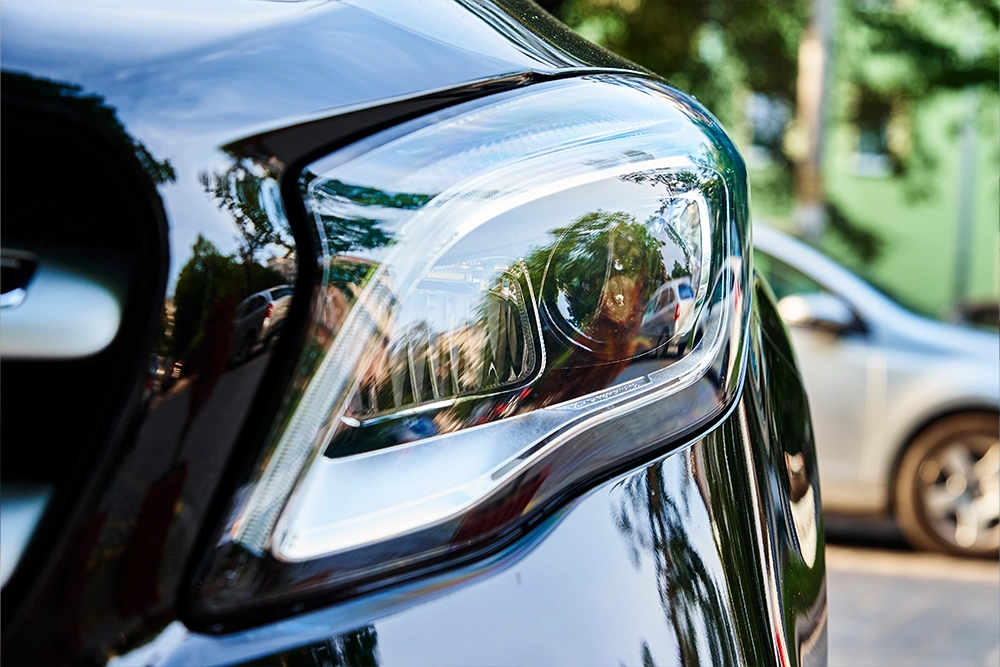
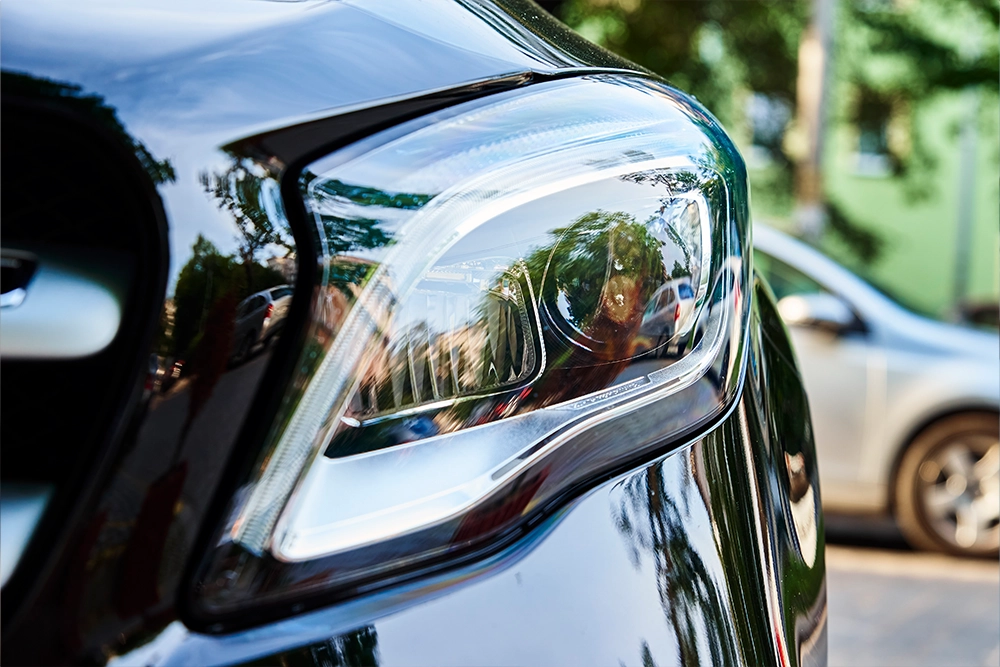
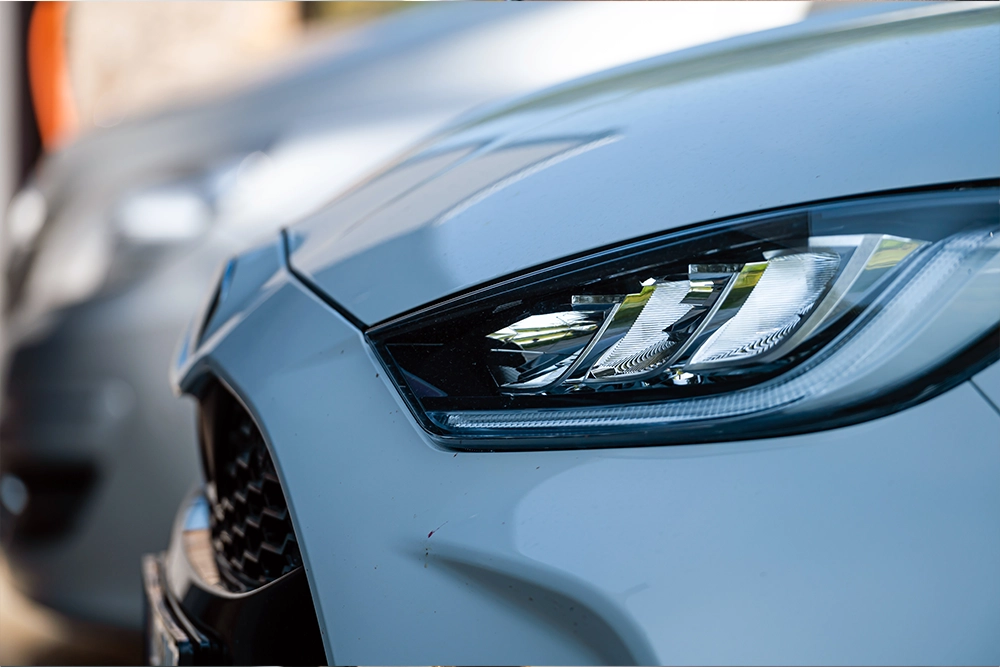
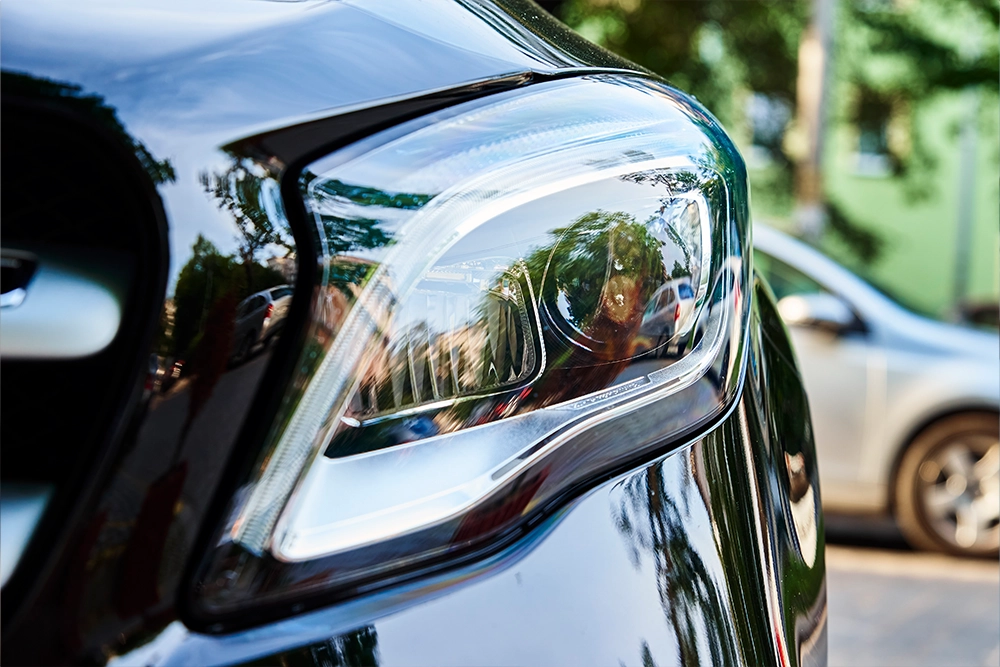
A facelift kit mainly updates what you see—bumpers, grilles, headlights, and trim. You get a more current look, but the body shell stays the same. Manufacturers use the existing mounting points, which keeps things simple but limits how much they can change. They focus on surface shapes, lighting, and finishes to get the most visual difference inside those limits. Common tweaks include:
● Bumper shapes that match newer designs
● Grille patterns that look sharp and help airflow
● Lamp housings that fit existing wiring These choices make installation safer and help everything fit like it should.
Increased Vehicle Value
A facelift kit can help resale value by closing the visual gap between old and new models. Buyers tend to judge a car’s age by its looks before they check the mechanics. Value depends on how well the new parts fit and match. Bad alignment or cheap materials hurt perceived quality, even if everything technically fits. Manufacturers try to match:
● Durable finishes
● Consistent color and texture
● Good resistance to sun and road wear When these line up, your car looks well-kept, not just modified, and that can help at resale.
Modernization Without Full Replacement
Facelift kits let you pick up certain design or tech updates without replacing the whole car. This matters if the platform, engine, and safety gear still work for you. Engineers often adapt newer looks to older cars by simplifying structures or reusing old connections. You don’t get the latest features, but you do keep compatibility. Usually you’ll see:
● Updated lights, sometimes with new bulbs or shapes
● Tweaked aerodynamics at the surface You won’t get new crash structures or electronics—those stay tied to the original.
Cost Efficiency Compared to New Models
Facelift kits cost less than a new car because manufacturers reuse old tooling and validation. That savings gets passed to you through lower material and labor costs. Engineering teams avoid changes that would need full regulatory sign-off. They stick to non-structural parts, which keeps things simple. The cost structure comes from:
● Fewer parts than a full redesign
● Shared materials with existing lines
● Less installation time thanks to bolt-on design You pay for specific updates, not a whole new car.
How Vehicle Facelift Kits Are Installed
You install a facelift kit by swapping or modifying exterior parts, but you keep factory mounting points and body tolerances. The process depends on whether you go pro or DIY, what tools you use, and how much time you want to spend.
Professional Versus DIY Installation
You pick between pro install and DIY based on how complex the kit is and your comfort level. Manufacturers design kits to fit factory mounts, but body condition and skill still matter. A body shop handles panel fit, prep, and paint blending. You usually get better gap control and less risk of cracks, especially with composites. Shops can also fix small quirks that show up after years on the road. DIY works for bolt-on stuff like grilles or bumpers. You trade time and finish quality for cost. Without the right tools, small misalignments can cause wind noise or uneven wear.
Factor
Professional
DIY
Fit consistency
High
Variable
Time investment
Low
High
Rework risk
Low
Moderate
Necessary Tools and Materials
You’ll need tools based on how the kit attaches. Most parts use mechanical fasteners, with adhesives only where needed for vibration. Core tools: torque wrenches, trim tools, alignment shims. Measuring tools help keep things even side-to-side. Skip those, and you’ll get errors as you go. Materials depend on the kit. ABS is easy to prep, while fiberglass or carbon fiber needs more sealing. Stick to the right torque and cure times—over-tightening can warp panels.
● Mechanical fasteners for easy service
● Structural adhesives for local reinforcement
● Sealants to keep water out
Installation Timeline
Plan your time around how many parts you’re swapping and how much finishing you want. A basic bumper and light swap might take a day, including test fitting. More complex kits take a few days. You’ll need time for dry fitting, adjustments, prep, and maybe paint curing. Manufacturers design tolerances to balance easy install with a clean look, so expect to check fit a few times. Weather matters, too. Adhesives and coatings need the right temps, or you’ll get weak bonds or paint issues. Rushing this stuff just leads to headaches later.
Use Cases for Vehicle Facelift Kits
Facelift kits give targeted exterior and interior updates without touching the car’s bones. You use them for visual, functional, or market-driven tweaks, but keep original mounting points, tolerances, and safety intact.
Personal Customization
If you want your car to look newer without buying a new one, facelift kits are a go-to. Manufacturers design them to fit existing hard points, so you get predictable results. Most kits swap out things like bumpers, lights, grilles, and trim. Engineers balance new looks with airflow, sensors, and lighting rules. These trade-offs limit how wild you can get without messing with crash safety or wiring. Designers reuse as much tooling as they can, tweaking surfaces to match newer styles. This keeps install simple, which matters if you drive the car every day.
Commercial and Fleet Vehicles
Fleet owners use facelift kits to keep vehicles looking sharp and on-brand, even as they age. If the mechanics are fine but the look is tired, a facelift can help resale and public image. Manufacturers focus on durability, repeatability, and quick install for fleets. Materials may get thicker or reinforced to handle more abuse. There’s less styling freedom, but more focus on lasting parts and easy swaps. Standardized parts fit across several years, making inventory easier and reducing downtime—key for big fleets.
Restoration Projects
Restorers use facelift kits to bring older cars up to later spec while keeping the original platform. This isn’t full custom—it’s about matching factory geometry and finish. Manufacturers reverse-engineer old panels and lighting to get the gaps right. Sometimes they compromise between exact copies and what materials are available now, which can change surface feel or mounting. You see this most with mid-cycle refreshes—chassis and engine stay, but the look gets modernized.
Factors to Consider Before Purchasing
A facelift kit swaps or overlays select exterior and interior bits, but your car’s structure stays the same. You’ll want to check fit, materials, and support, since these affect install quality, durability, and how your car ages.
Compatibility With Vehicle Model
Check that the kit matches your exact model year, body, and trim. Manufacturers design around factory mounts and sensors, but small changes year-to-year can mess up alignment. Modern cars pack cameras, radar, and lighting modules into bumpers and grilles. A good kit keeps those working without rewiring or software headaches. Poor matches can trigger error codes or mess up safety calibrations. Also, check if the kit supports your car’s options. Different headlight types or sensors may need specific parts, not a generic kit.
Quality and Material Specifications
Look at what each part’s made of—it affects fit and how it holds up. Most kits use ABS, polypropylene, or reinforced composites for a mix of toughness, weight, and cost. Each has trade-offs. ABS molds well and looks sharp, but can warp in heat. Polypropylene handles knocks better but needs flexible mounts. Composites are stiff but pricier and harder to make. Manufacturing method matters, too. Injection-molded parts fit better than vacuum-formed ones. Prep, primer, and paint all affect how the kit blends with your original finish.
Warranty and Support Options
Check the warranty—what’s covered and for how long? Usually it’s defects, cracks, or mount failures, not install mistakes or accidents. Support is key during install. Good guides, torque specs, and sensor instructions help avoid fit or electrical issues. Some makers update instructions if the base car changes mid-cycle. Parts availability matters, too. Being able to get replacement clips or panels saves you from buying a whole new kit for a small mishap. This shows the kit was built for real use, not just looks.
Frequently Asked Questions
Facelift kits focus on exterior and interior updates that bring an older model in line with newer styling. You get better visual consistency, controlled fit, and predictable results if the kit follows the right specs.
What is involved in a vehicle facelift kit?
A facelift kit usually includes new exterior panels—bumpers, grilles, lights, or trim. Sometimes you’ll get interior parts, like switch panels or infotainment surrounds, if the update changed the cabin. Manufacturers design these to match the original mounts and body lines. This limits structural changes and keeps install straightforward.
How does a facelift kit improve a car's appearance?
A facelift kit swaps visible parts to reflect newer design cues from the same model line. You’ll see changes in lights, surfaces, and trim. The update brings your car’s look closer to newer years, but doesn’t mess with its basic shape. It’s a refreshed style, not a total overhaul.
Are there any performance benefits to installing a facelift kit on my vehicle?
Most facelift kits don’t boost performance. Engineers focus on looks, regulations, and feature fit, not speed or handling. Sometimes a new bumper or grille might tweak airflow a bit, but the goal is compatibility and cooling, not measurable gains.
Can I install a facelift kit myself, or do I need a professional?
You might be able to install some kits yourself if you’ve got experience working with body panels and electrical connectors. Still, aligning panels or hooking up lighting usually calls for precision tools and a steady hand. Manufacturers really expect professionals to handle installation, especially when it comes to tolerances and wiring. If you don’t get the fit just right, you could mess up panel gaps, sensors, or even water sealing—definitely not ideal.
What is the typical cost range for purchasing and installing a vehicle facelift kit?
Prices jump around a lot depending on how many parts are in the kit, what they’re made of, and how complex your car is. Exterior-only kits tend to be cheaper than those that add lighting or mess with interior electronics. Don’t forget about labor costs, which go up if you need paintwork or electronic coding. If your car has advanced driver assistance sensors, you’ll probably need to recalibrate them after the install—something that’s rarely straightforward.
How do I choose the right facelift kit for my specific car model?
First, check that the kit matches your car's exact model year and body style. Even tiny changes between production runs can mess with mounting points or electrical connectors. Manufacturers usually base their kits on certain production ranges. Double-check compatibility before you buy—trust me, it’ll save you headaches with installation and make sure everything works like it should.